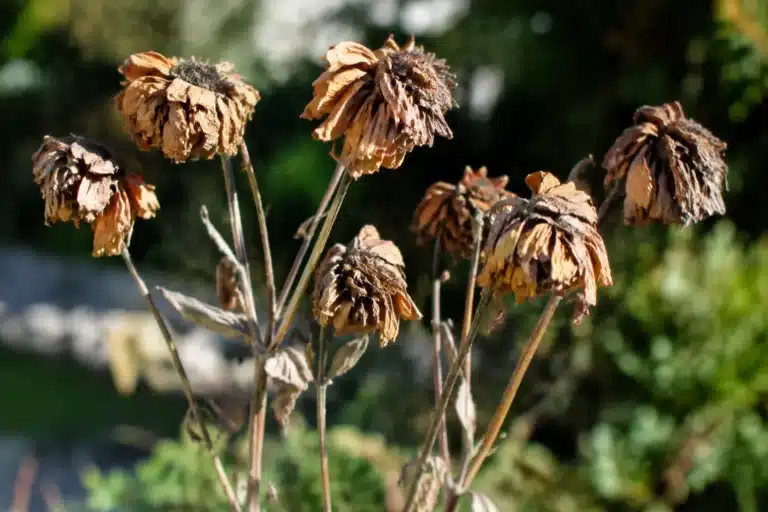
Tomatoes are running out of steam, zucchini is slowing down, rows of beans are turning yellow. Many gardeners put away their tools at this point, convinced the season is over. Big mistake: this is exactly when fall and winter gardening comes into play.
The good news is there’s a handful of hardy vegetables that can germinate quickly, resist the first frosts, and deliver extended harvests right through winter. Here are 7 varieties to sow right away, and how to set them up for success before the cold really sets in, to complement these 3 vegetables still being harvested in November.
Why sowing in late summer lets you harvest in winter
The soil still holds the heat it accumulated over summer, which speeds up germination. Soil temperature often stays above 15°C in August and early September, compared to below 10°C in October. This small window is what allows seeds to get going fast, before the days get too short.
The leafy vegetables and root vegetables chosen for this season share one thing in common: their cold hardiness. Some can tolerate frosts down to -10°C once established, which is why they’re the foundation of any well-planned fall and winter garden.
The 7 vegetables to prioritize for your fall-winter garden
Mâche, the most frost-resistant salad
It’s probably the most reliable leafy vegetable for winter growing. Sown in September, mâche can be harvested from November through March, even under snow. It needs little maintenance and handles negative temperatures without flinching.
Spinach, productive right up to the first snows
Sown in late August or early September, spinach grows quickly and gives several harvests before winter. Its foliage resists moderate cold well and even regrows sometimes at the first warm spell, extending the harvest even further.
Fall radishes and black radish
Fall radish can be sown through early September and harvested in just three to four weeks—a real asset for filling empty beds quickly. Black radish, slower growing, keeps beautifully in a cellar all winter long.
Turnips, fast-growing and sturdy roots
Among the easiest root vegetables, turnips germinate in just days and can be harvested in six to eight weeks. Sown in August, they handle the first frosts with no problem and can stay in the ground through freezing weather.
Never kill
another plant.
Take a photo: the app names the species, spots the problem and tells you exactly what to do.
Fall lettuces
Unlike summer varieties, fall lettuces like ‘Reine des Glaces’ or ‘Merveille d’hiver’ resist cold without bolting. Sown in August-September, they deliver crispy leaves right through November, sometimes later under winter protection cloth.
Arugula, peppery flavor for winter
Arugula reseeds easily every three weeks through September. Fast to grow, it keeps producing tender leaves even when nights turn chilly, adding a peppery kick to winter salads.
Beets, harvesting right through the first frosts
Sown in early August, beets have time to form nice roots before the worst cold arrives. They tolerate light frosts and then keep for months in storage or a cellar.
Tap to scan your plant
This feature requires the Plantalya app. Scan any plant instantly with your camera!
The mistake to avoid in late summer: sowing too late thinking you’ll “save time.” After mid-September, the drop in daylight slows growth dramatically, even for the hardiest vegetables. Better to sow a bit early, and protect with cloth if heat persists.
How to succeed with your late-summer sowings
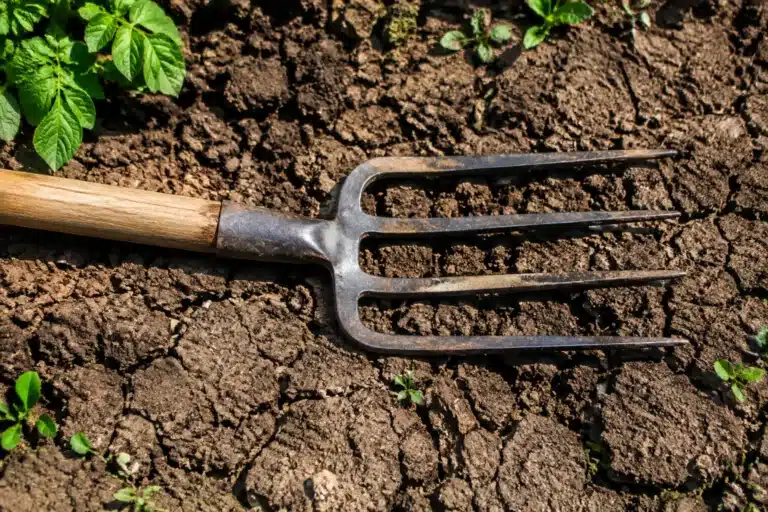
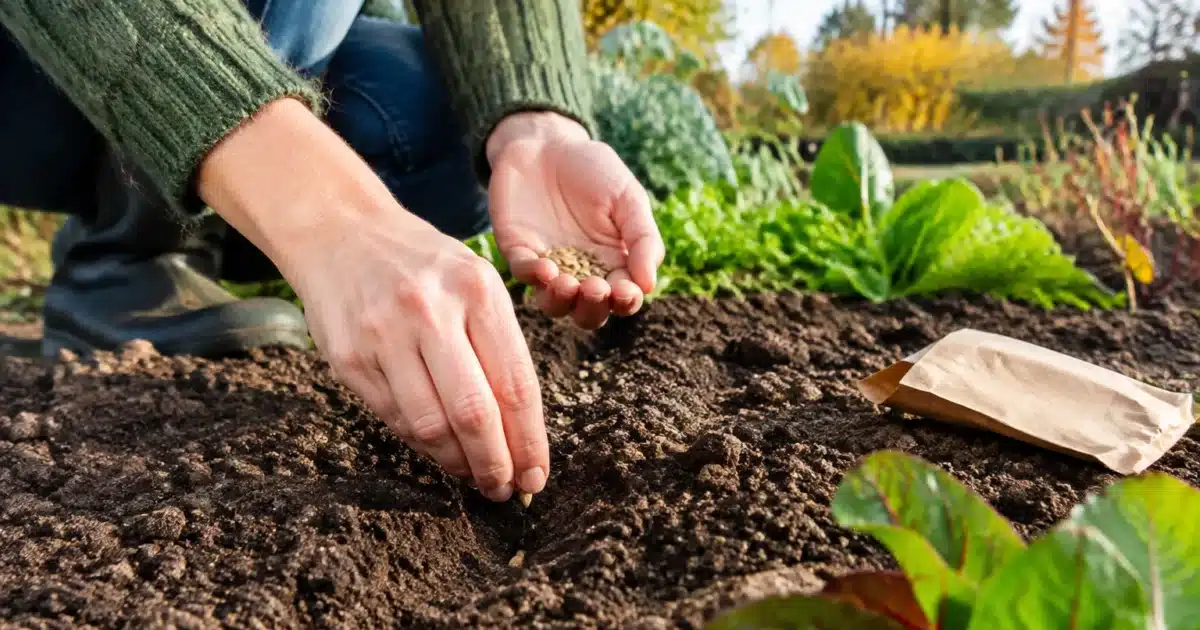
Soil preparation remains the most overlooked step. After a summer harvest, soil is often compacted and exhausted: a light raking followed by adding mature compost is enough to revive the soil without overturning it.
Regular watering makes all the difference during August sowings, when residual heat can still dry the surface in hours. Light but frequent watering, ideally in late afternoon, guarantees even germination.
Never kill
another plant.
Take a photo: the app names the species, spots the problem and tells you exactly what to do.
Also think about crop rotation; avoid replanting a root vegetable where roots already grew this summer, a principle that ties in with this August sowing that cleans the soil during winter after zucchini. Alternating plant families limits disease and soil depletion, a simple habit that pays off throughout winter growing.
| Vegetable | Sowing | Harvest |
|---|---|---|
| Mâche | September | November to March |
| Spinach | Late August | October to December |
| Fall radish | Through early Sept. | 3 to 4 weeks after |
| Turnips | August | 6 to 8 weeks after |
| Fall lettuces | August-September | October-November |
| Arugula | Through September | 3 weeks after |
| Beets | Early August | Before the frosts |
Start preparing now for winter harvests
A garden that seems to empty out in August isn’t a finished garden, it’s a garden in transition. By combining fast-growing leafy vegetables with slower root vegetables, it becomes possible to stagger harvests over several months without any gap.
Winter protection cloth or even a simple low tunnel is often enough to gain a few degrees and extend the season even further (see also these six vegetables to sow to harvest all winter with a low tunnel). With these seven well-timed sowings, your table stays full even as the rest of the garden goes dormant.