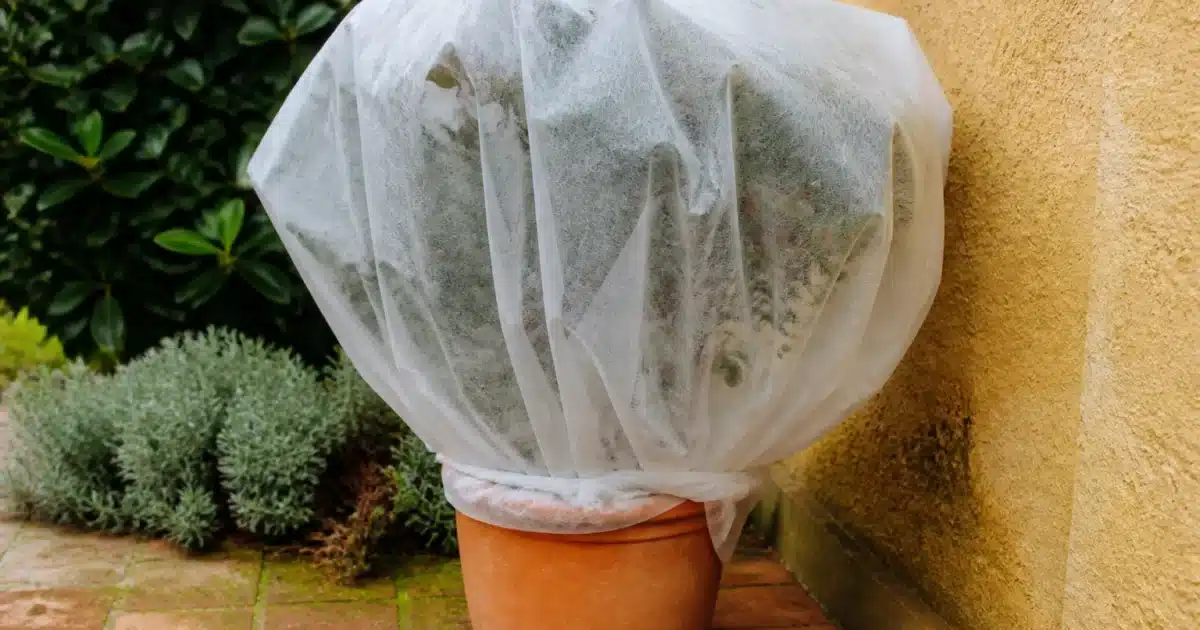
Why potted oleander is more vulnerable to frost
Oleander grown in a pot is far more vulnerable to cold than plants in the open ground. The reason is straightforward: its roots, confined in a container, freeze much faster than those in soil where they benefit from natural insulation. When temperature drops, the pot provides insufficient protection for the roots, which then fail to draw up water. Even if the foliage appears to withstand the cold, it is often the roots that succumb to winter damage.
Symptom Checker
Check the symptoms you observe on your plant:
This fragility depends partly on your region. Potted oleander tolerates temperatures down to around -5°C, but below this point the tissues freeze and damage becomes irreversible. In most of the UK, frost-free overwintering is essential. Acting early, before the first hard freeze arrives, is crucial to save your plant.
The simple step that effectively protects your oleander from frost
One approach really does work: insulate the container and protect the foliage with horticultural fleece. This combination creates sufficient thermal protection to survive winter without major damage. Here is how to put this protection in place.
Insulate the pot and mulch the surface
Start by insulating the pot itself, which is the weak point in the protection. Wrap the container with bubble wrap, thick kraft paper or hessian. This layer creates a thermal cushion around the roots. Secure it well to prevent it shifting in the wind.
Never kill
another plant.
Take a photo: the app names the species, spots the problem and tells you exactly what to do.
Next, cover the surface of the compost with mulch: bark, horticultural fleece or dry leaves. Aim for 5 to 10 cm depth. This protection slows cooling of the roots and limits evaporation, reducing your watering needs in winter. If your pot has no saucer, stand it on wooden blocks or polystyrene to insulate it from cold ground.
Apply horticultural fleece to the foliage
The evergreen foliage of oleander needs protection. Drape white horticultural fleece (also called garden fleece) loosely around the plant. This porous, lightweight fabric allows light and air to pass through whilst retaining heat. Tie it loosely to avoid breaking branches.
Horticultural fleece creates a microclimate that slows the temperature drop around the foliage. Never use transparent plastic film: it traps too much moisture and encourages condensation, promoting fungal disease. Fleece remains the best option for allowing the plant to breathe.
When to act: timing and temperature thresholds to monitor
The optimal time to apply protection falls between September and October, before the first hard frosts arrive. You do not need to wait for the thermometer to plunge: protecting early poses no risk to your plant and saves you time. Watch the local weather forecast: once overnight temperatures approach 5°C, take action.
Tap to scan your plant
This feature requires the Plantalya app. Scan any plant instantly with your camera!
You can remove the fleece and mulch from late March onwards, once the last hard frosts have passed. Ventilate gradually by removing the fleece for a few hours on mild days before taking it off completely. This gradual acclimatisation prevents thermal shock to the foliage.
Critical temperature to remember
Below -5°C, damage accelerates on a potted oleander. Between 0 and -5°C, protection makes all the difference.
Winter care for potted oleander
During winter, your oleander’s requirements change dramatically. Cut watering drastically: the plant enters dormancy and uses very little water. Feel the compost: it should remain slightly moist, never waterlogged. Excess water in winter is worse than slight dryness.
Never kill
another plant.
Take a photo: the app names the species, spots the problem and tells you exactly what to do.
Place your pot in a sheltered location if possible: against a south-facing wall, under an eave, or near a conservatory. This positioning reduces cold wind and captures winter sunshine, helping maintain a slightly more stable temperature. If you have access to an unheated garage or cool conservatory, that is ideal: guaranteed protection without risk of excessive heat.
Stop feeding from October to March. No fertiliser is useful during winter dormancy. Resume regular feeding once growth restarts in spring, recognisable by the appearance of new shoots.
Inspect your plant regularly even when protected. Scale insects and spider mites can take advantage of the shelter to settle in. If you spot pests, treat with mild insecticidal soap rather than strong pesticides, which can disrupt dormancy.
This straightforward but robust approach is sufficient to get through winter without difficulty. Insulate the pot, protect the foliage with fleece and cut back watering: three simple steps that ensure your oleander emerges vigorous in spring.