Why spent coffee grounds work differently for different plants
Spent coffee grounds are often promoted as a free, eco-friendly garden amendment rich in nitrogen. However, they are not suitable for all plants. Some genuinely flourish with coffee grounds, whilst others decline when you apply them directly. Before routinely collecting grounds for your vegetable patch or flowerbeds, it is crucial to understand their real effects and which plants tolerate them poorly.
Plants that struggle with spent coffee grounds
Coffee grounds gradually acidify soil. Whilst this suits acid-loving plants, it creates problems for those preferring neutral or alkaline conditions. The Royal Horticultural Society (RHS) warns against applying grounds to sensitive species.
In the vegetable garden
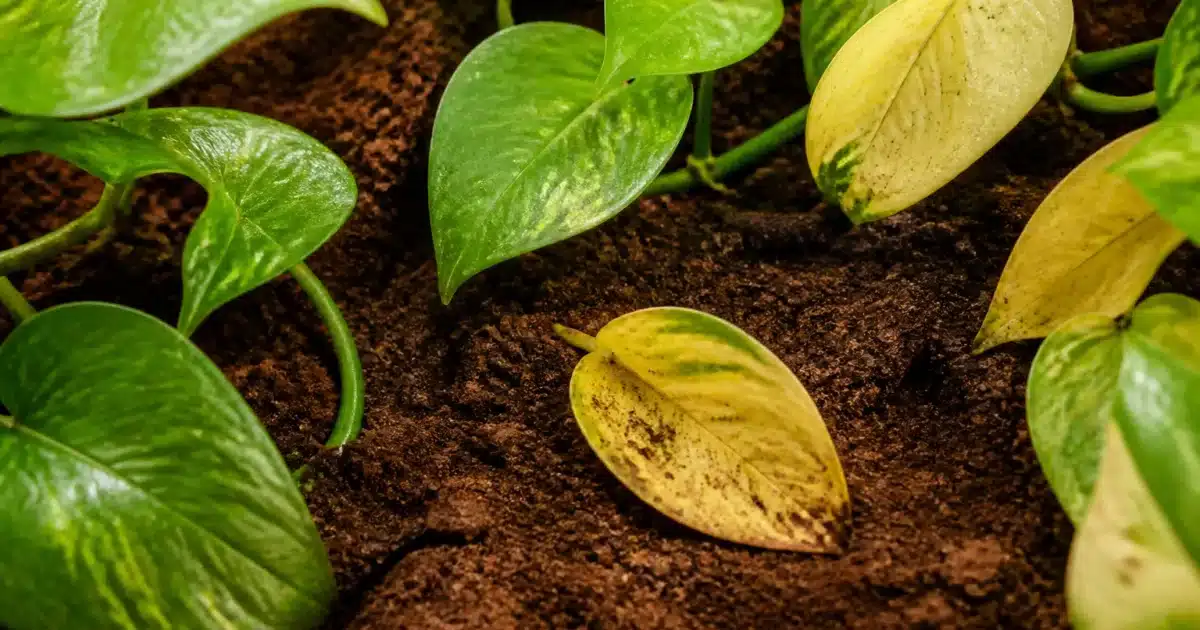
Tomatoes are among the worst performers with coffee grounds. When exposed repeatedly to residues, they develop yellowing of lower leaves and stunted growth. Peppers and aubergines react similarly: excess nitrogen combined with acidification stresses their roots. Carrots, beetroot and turnips tolerate the acidity even less: their roots remain small and fibrous, and yields collapse.
Aromatic and ornamental plants
Lavender, thyme and most Mediterranean herbs thrive in chalky, dry soils. Applying coffee grounds works against their fundamental needs. You will observe gradual decline: greyish tones, crispy leaves, reduced flowering. Modern roses tolerate some acidity better, but excessive coffee grounds hasten their ageing and open the door to fungal disease.
Houseplants
Cacti and succulents require very well-drained, slightly alkaline soil. Spent coffee grounds absorb water and form a crust on the pot surface, progressively suffocating their roots. The classic symptom: softening foliage and plant collapse within weeks.
Plants that genuinely thrive with spent coffee grounds
Conversely, certain plants flourish with coffee grounds. Hydrangeas are the prime example: the more you apply, the more their flowers shift towards blue, thanks to soil acidification. Azaleas, rhododendrons and heathers share this love of acidic soils. In the vegetable garden, courgettes, marrows and cucumbers benefit from the nitrogen released gradually by grounds. Blueberries and raspberries become vigorous feeders when you provide this “waste” product.
Never kill
another plant.
Take a photo: the app names the species, spots the problem and tells you exactly what to do.
Common mistakes that damage your plants
The primary error: applying fresh, wet spent grounds directly and in large quantity around the base of plants. This creates an impermeable layer that suffocates roots and encourages mould. A second, equally common mistake involves confusing fresh grounds (straight from the coffee maker) with dried grounds. The former ferments within a week, generating heat and severe acidity. The latter, once properly dried, releases nutrients more slowly.
Many gardeners also forget that grounds provide only nitrogen: they do not replace a balanced fertiliser. Using coffee grounds alone over several months creates phosphorus and potassium deficiencies, visible in dull foliage and absent flowers.
Recommended application rate to avoid damage
Tap to scan your plant
This feature requires the Plantalya app. Scan any plant instantly with your camera!
Scan Your Plant — Download Free AppIncorporate a maximum of a handful of dried grounds (equivalent to 2-3 cups) per square metre, once or twice per season. For sensitive plants, test first on a small area. If you notice yellowing or wilting within 3 weeks, stop immediately and add remaining grounds to compost instead.
The correct method for using spent coffee grounds safely
The best approach is to compost them. Add your spent grounds to your compost heap, mixing them with brown materials (fallen leaves, cardboard). Within 4 to 6 months, they transform into rich, balanced compost safe for any plant. Acidification subsides, mould risks disappear, and you obtain a genuinely universal soil improver.
Never kill
another plant.
Take a photo: the app names the species, spots the problem and tells you exactly what to do.
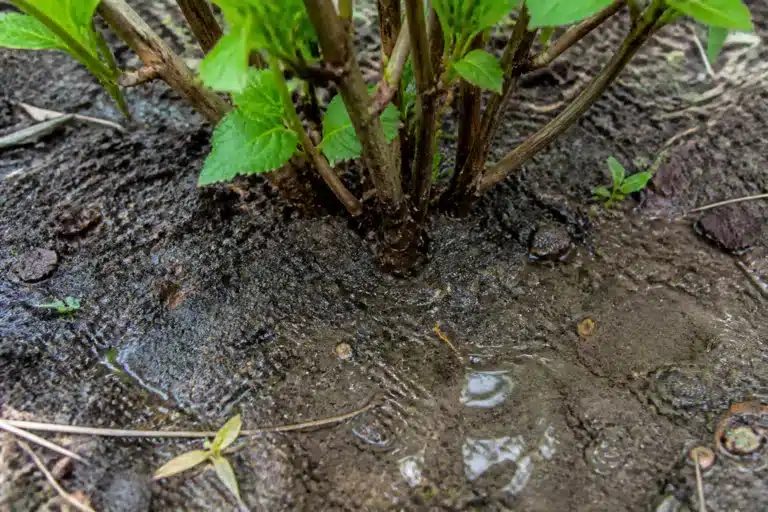
If you wish to use grounds fresh, reserve them exclusively for acid-loving plants: hydrangeas, azaleas, blueberries and raspberries. Let them dry for 48 hours in open air first, then sprinkle lightly (maximum 2 centimetres) around the base without compacting. Water afterwards to integrate them gradually into the soil. This approach prevents crust formation and avoids acidity shock.
For container plants, spent grounds are never advisable: composting remains your best option. Vegetable gardens benefit from grounds via homemade compost rather than direct application, unless you are specifically growing acid-loving species such as courgettes or blueberries.
Essential reminder: spent coffee grounds are never a complete fertiliser. Their benefits appear only as a supplement to balanced, plant-appropriate feeding. They are an addition, not a miracle cure. By respecting these limits, you transform a waste product into a genuine garden asset, rather than a silent factor in crop decline.