Your plant is losing leaves even though you water it faithfully every week? The problem may not be a lack of water, but the opposite. Overwatering remains the leading cause of death for indoor plants, far ahead of drought, much like the habit of watering daily in summer which weakens plants. Here are four visible signs that should alert you, and what they really mean.
The 4 visual signs of overwatering on your potted plants
Overwatering doesn’t result in immediate wilting. Symptoms often take several days to appear, which pushes many people to water even more thinking they’re doing the right thing. Recognizing these four signals allows you to act before the roots are irreparably damaged.
Symptom Checker
Check the symptoms you observe on your plant:
1. Yellowed, soft or translucent foliage
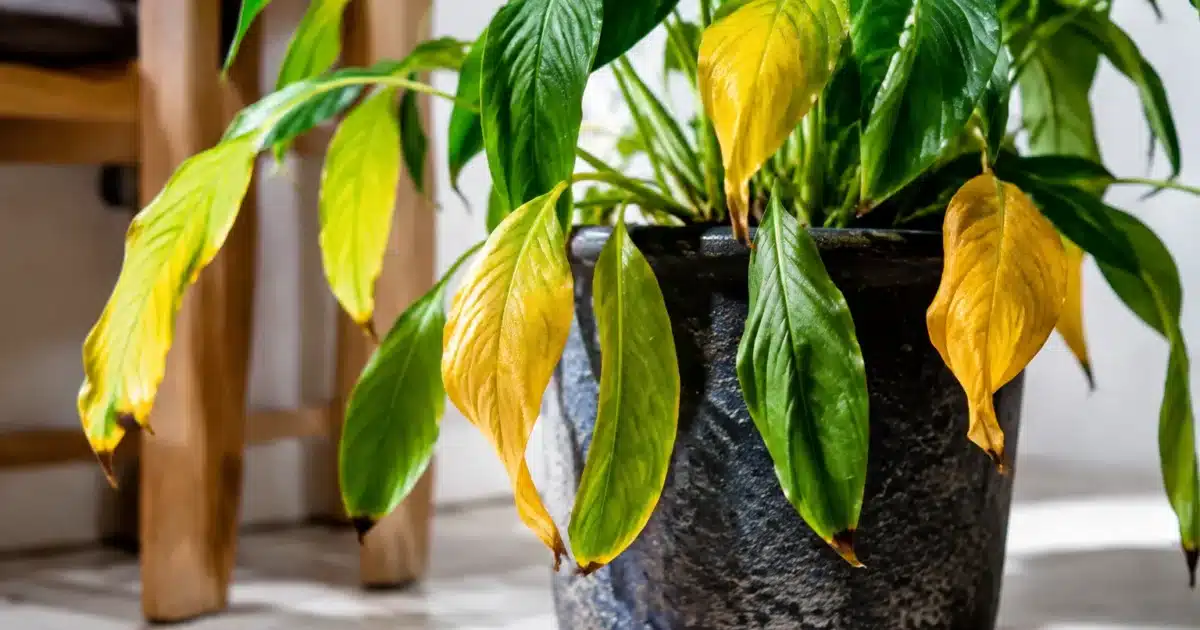
This is the most common and most deceptive symptom. Yellow leaves can also indicate a lack of water, but the texture makes the difference: in case of excess, yellowed foliage becomes soft, almost waterlogged, sometimes translucent to the touch. Leaves often fall without drying out first, unlike a lack of water where they shrivel and crack.
This discoloration of foliage generally starts with the lowest or oldest leaves, before moving up toward the top of the plant if nothing is corrected.
2. Appearance of rot or mold
When the substrate remains waterlogged too long, roots lack oxygen and start to rot. This root rot is recognized by a musty smell, black and soft roots instead of white and firm ones, and sometimes an unpleasant odor rising from the pot. The collar, that area at the base of the stem, can also blacken or soften.
Never kill
another plant.
Take a photo: the app names the species, spots the problem and tells you exactly what to do.
White or greenish molds can also appear on the soil surface, a sign that moisture has been stagnating for several days without any chance to evaporate.
3. Paradoxical wilting despite moist soil
Here’s the sign that confuses amateur gardeners the most: the plant wilts as if it’s thirsty, while the substrate is still moist to the touch. This paradoxical wilting is explained by root asphyxia: roots damaged by excess water can no longer absorb nutrients or moisture, even if it’s available in abundance around them. The plant literally dehydrates in a waterlogged pot.
4. Substrate surface greenish, mossy or crusty
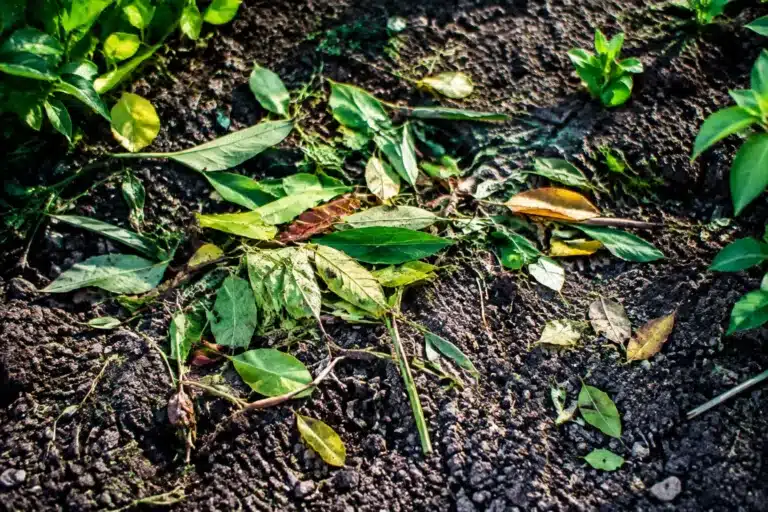
Observe the soil surface. A greenish layer or fine moss that settles indicates permanent stagnant humidity. Conversely, a hard whitish crust can signal an accumulation of mineral salts linked to too frequent watering with hard water. In both cases, it’s a sign that water is no longer draining properly.
Tap to scan your plant
This feature requires the Plantalya app. Scan any plant instantly with your camera!
Scan Your Plant — Download Free AppMany people water more as soon as a plant wilts, thinking it’s a lack of water. If the substrate is already moist, this reaction worsens root asphyxia and speeds up rot. Always check moisture before watering again.
How to confirm it’s really excess water (not a lack of it)
Before changing your habits, a simple diagnosis is needed. The finger test remains the most reliable: push your index finger two to three centimeters into the soil. If it comes out moist and sticky, watering is not necessary. If it comes out dry and dusty, the plant is truly thirsty.
The weight of the pot also provides valuable indication. A pot that’s unusually heavy despite recent watering often betrays poor drainage, with water having nowhere to escape. Conversely, a very light pot signals soil dried out in depth. Gently removing the root ball to observe the roots remains the most precise way: white and supple roots are healthy, brown and soft roots confirm root rot.
What to do once overwatering is identified?
Never kill
another plant.
Take a photo: the app names the species, spots the problem and tells you exactly what to do.
The first thing to do is stop all watering until the substrate dries on the surface for several centimeters. If the pot doesn’t have a drainage hole, that’s probably the root cause of the problem: a drilled pot remains essential to prevent water from stagnating at the bottom of the container.
In advanced cases, repotting is necessary. Remove the plant from its pot, cut the blackened or soft roots with a disinfected tool, then place it in fresh, well-draining soil. This step limits the spread of fungal diseases already present in the contaminated substrate and gives the plant a chance to rebuild a healthy root system.
Preventing overwatering: the right reflexes to adopt
The ideal watering frequency depends on the species, season and light, but one principle remains valid for most potted plants (better to underestimate than overwater), as the watering mistake that kills certain plants in late August also reminds us. Using appropriate soil, mixed with perlite or coarse sand to improve drainage, significantly reduces risks.
Systematically checking moisture before each watering, emptying saucers after fifteen minutes and spacing out watering in winter when growth slows are simple reflexes that prevent most excess, just as knowing the ideal watering time for plants does. A well-draining potted plant forgives a forgotten watering far more easily than repeated excess water.