Your tomato plants are scorched, the last harvests are in the basket, and that raised bed is calling to you—empty and a little sad. The natural instinct would be to pull everything out, like in this account of a tomato uprooting mistake understood in October, and wait patiently for spring. Bad idea. Bare soil for six months is soil that becomes impoverished, compacts, and loses its fertility while you do nothing.
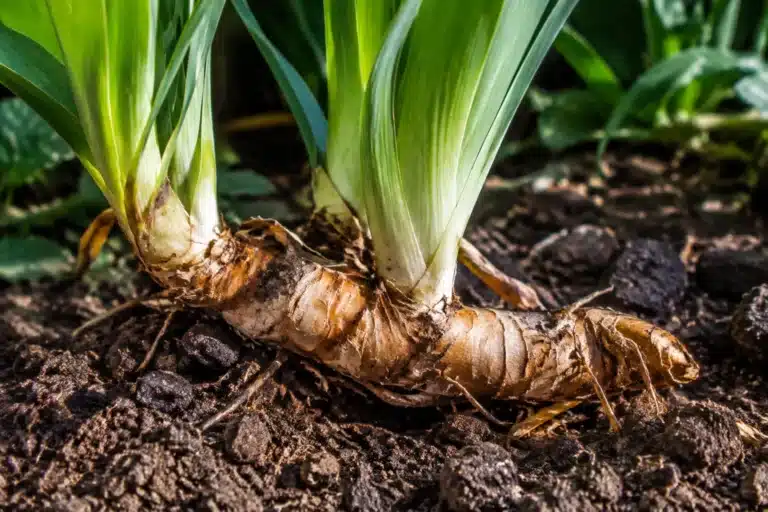
The right method comes down to one sentence: don’t uproot the tomato plants, cut them at ground level with pruning shears, and immediately occupy the space with a cover crop or winter vegetables. The roots stay in the ground, decomposing slowly and nourishing the soil from within, while the surface already works for next season.
Why leaving the tomato space empty is a mistake for your soil
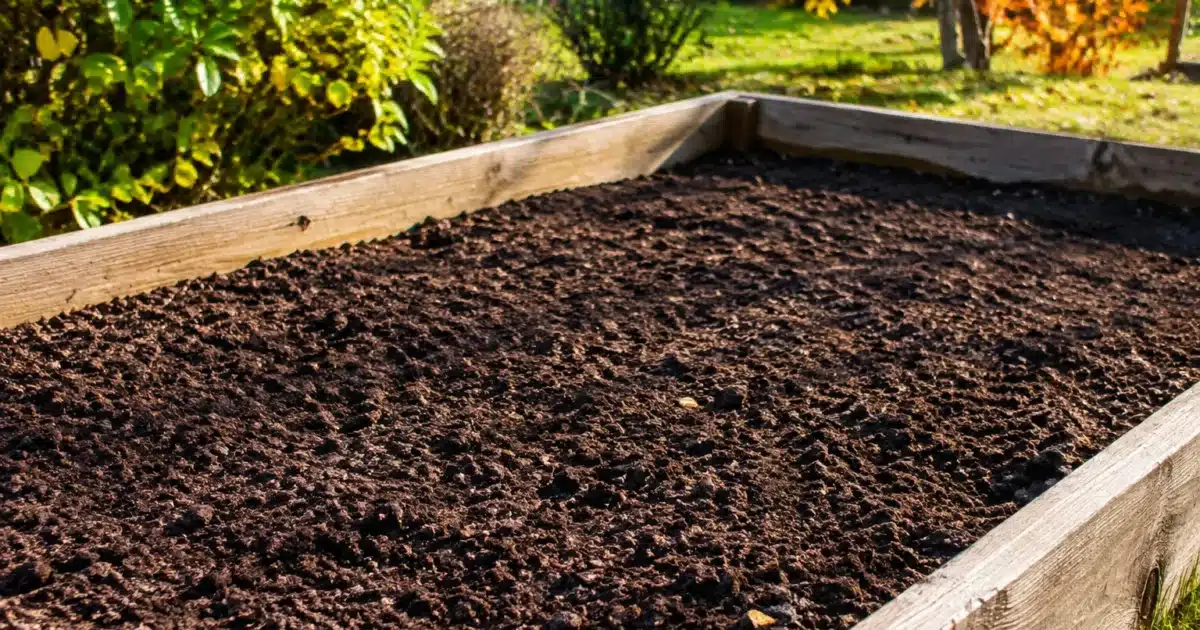
Bare soil left through winter suffers from rain leaching, compaction, and erosion. Without living roots or ground cover, microbial life slows down and soil structure gradually degrades. This is exactly the opposite of what we want after a crop as demanding as tomatoes, which has already depleted the substrate considerably.
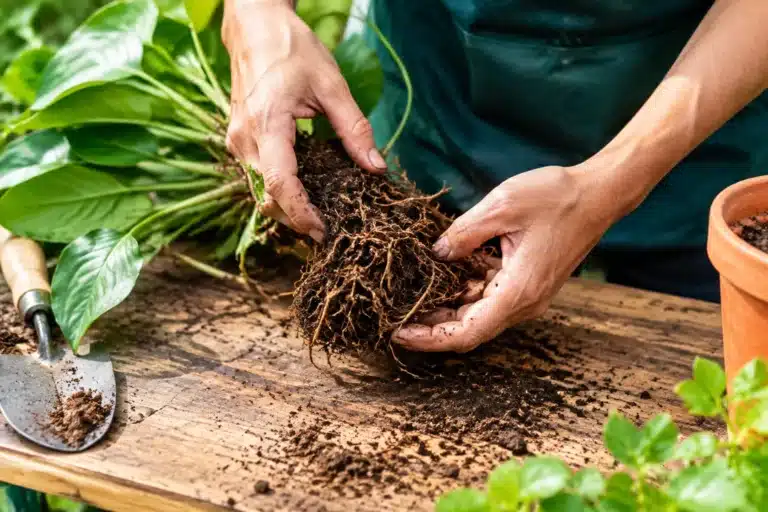
Uprooting tomato plants makes the situation even worse: you remove at once the entire root network that could have continued to structure the soil and nourish the organisms living in it. The gesture seems harmless, but it deprives the earth of a free source of organic matter already in place.
The right move at season’s end: cut the plants, leave the roots
Rather than pulling on the stems to uproot everything, grab a pair of pruning shears (avoiding this mistake that wears out your blade) and cut each plant at ground level. The roots stay in the ground, where they decompose quietly over the weeks. It’s a simple gesture that makes a big difference for what comes next.
What roots really bring to the soil
As they decompose, roots release organic matter directly where it’s useful, without any manipulation or compost transport. They also leave galleries and micro-channels in the soil, which improve aeration and water circulation. This work benefits soil structure over several months, long after the tomato season ends.
Soil microorganisms—fungi and bacteria—feed on this decomposing matter and prolong their activity instead of going dormant on bare soil. This is a form of soil fertility that builds itself without buying anything, just by changing a habit.
What to do with stems and leaves (blight, compost)
The aerial parts, however, shouldn’t stay on the ground. If blight affected your plants, burn the stems and leaves or dispose of them with municipal green waste—never in your home compost: spores often resist the heat of standard compost and would resurface next year. If the foliage is healthy, it can go into compost without issue, by chopping it roughly to speed up decomposition.
Never kill
another plant.
Take a photo: the app names the species, spots the problem and tells you exactly what to do.
The mistake that costs an entire season
Waiting until spring to sow means losing six months of free fertility. Soil occupied by cover crops or winter vegetables continues to work while the rest of the garden sleeps.
What to sow or plant immediately in the tomato space
Tap to scan your plant
This feature requires the Plantalya app. Scan any plant instantly with your camera!
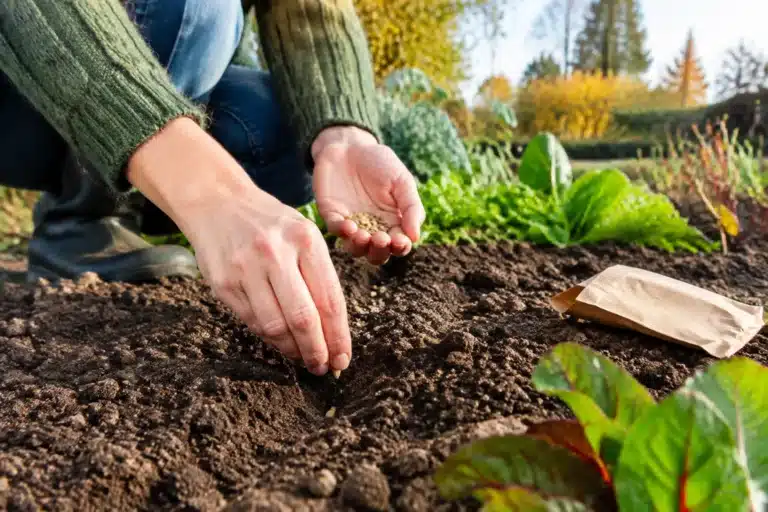
As soon as the raised bed is free, usually in September, you have two options and nothing prevents combining them in different areas.
Cover crops: phacelia, mustard, vetch
Cover crops are the most effective solution for restoring vigor to tired soil. Phacelia grows quickly, protects the earth, and attracts pollinators with its blue flowers. Mustard, meanwhile, has a reputation for cleaning the soil and limiting certain pests thanks to its natural properties. Vetch, finally, fixes atmospheric nitrogen in the soil through its roots—a real boost for the next crop.
These plants are broadcast sown with no prior soil preparation, and you simply need to cut them before full bloom in spring to leave them to decompose on-site or work them into the surface.
Winter vegetables: lettuces, corn salad, spinach
If you prefer to harvest something rather than wait, winter lettuces, corn salad, and spinach settle very well on a recently freed tomato space. Corn salad in particular requires little maintenance and withstands cold well, while occupying the ground until first spring sowings. These are undemanding crops that benefit precisely from the organic matter left behind by decomposing tomato roots.
Never kill
another plant.
Take a photo: the app names the species, spots the problem and tells you exactly what to do.
| Option | Sowing | Main benefit |
|---|---|---|
| Phacelia | September | Structures soil, attracts pollinators |
| Mustard | September | Cleans the soil |
| Corn salad | September-October | Winter harvest |
| Spinach | September | Resists cold |
Crop rotation and cleaning to prevent disease
Before replanting tomatoes in the same spot, observe a crop rotation of at least three years. Solanaceae—tomatoes, potatoes, eggplants, and peppers—share the same diseases and deplete soil the same way, so planting them successively in the same place encourages failed disease prevention and the return of blight the following year.
Take this break to remove the stakes, clean them, and disinfect them before storing, especially if they’ve been in contact with diseased plants. A simple wash with soapy water or white vinegar is enough to limit spore transmission from one season to the next. This cleaning, often overlooked, actually makes a real difference in your garden’s health the following year.
In summary, the end of tomato season isn’t the end of a project, it’s a transition. Cutting instead of uprooting, sowing instead of waiting: two simple gestures that transform an empty space into living soil, ready to welcome beautiful harvests as soon as the weather turns warm.