A garden that bursts with color the moment the first rays of spring sun arrive is something you prepare for before winter or at the very start of spring, much like when you want to create and maintain a permanent wildflower meadow. If you want to avoid waiting until June to see your flower beds bloom, now is the time to act. Here are 7 early-flowering perennials that transform a drab corner of the garden into a living masterpiece, without demanding any particular effort once they’re established.
These plants have one thing in common: they flower from March onwards, sometimes even in February in milder regions. They require minimal maintenance and return each year with a hardiness that reassures busy or novice gardeners. You simply need to choose their location carefully according to exposure—sun, partial shade, or shade—and follow a few simple planting rules.
Why Plant Perennials Now for a Spring-Flowering Garden
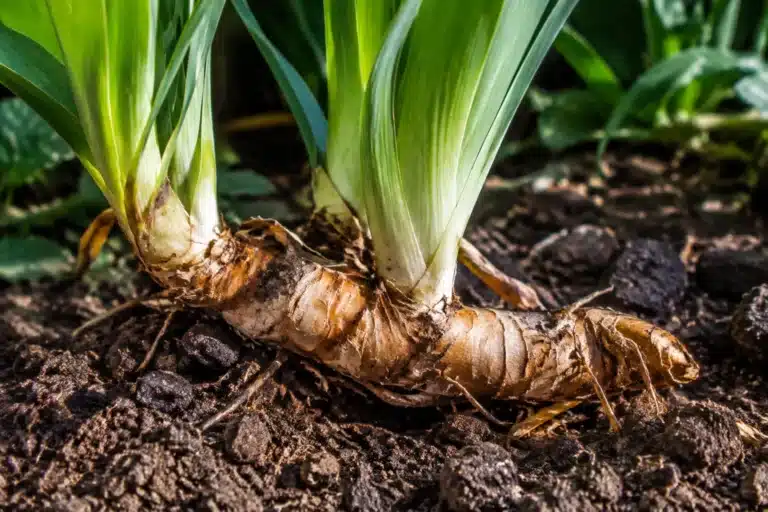
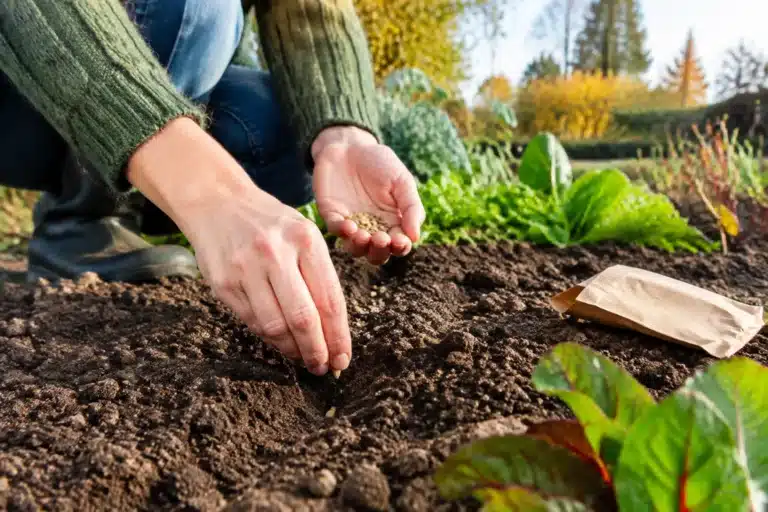
Planting now gives roots time to establish themselves before the soil truly warms up. Perennials planted in autumn or early spring benefit from soil that is still cool and moist, ideal for solid root development. The result: flowering from March onwards the following year, often more abundant than plants installed too late in the season.
This timing also affects plant hardiness. A perennial with well-established roots before the heat withstands climatic ups and downs better and requires less watering. It’s the secret to a no-fuss garden that needs only occasional weeding and light pruning at season’s end.
7 Essential Perennials to Plant Right Now
Cowslip Primrose: Brilliant Yellow from March
The cowslip primrose opens the show with its tufts of bright yellow flowers, perfect for borders or dappled woodland. It loves cool soil and partial shade, where it quickly forms dense carpets. Space plants 20 to 25 cm apart for a uniform ground-cover effect by the second year.
Aubrieta: Violet Cascade for Sunny Borders
Aubrieta is perhaps the most spectacular perennial in full sun. Its violet or pink carpets spill over walls and borders with a generosity that never wanes year after year. It prefers well-draining, even poor soil, and needs only a trim after flowering to stay compact.
Oriental Hellebore: Noble Elegance in Late Winter
Hellebore sometimes flowers as early as January in sheltered gardens, with cup-shaped blooms ranging from white to deep purple. It thrives in shade or partial shade, in cool, humus-rich soil. It’s an evergreen perennial that keeps its foliage year-round, a real asset for structuring a bed in any season.
Never kill
another plant.
Take a photo: the app names the species, spots the problem and tells you exactly what to do.
Pulmonaria: Magical Bicolor Flowering in Partial Shade
Pulmonaria seduces with its bicolor blooms, pink then blue on the same stem—a detail that catches the eye on every garden visit. It readily establishes in partial shade, beneath a tree or near a hedge, in cool soil that never dries out completely. Its speckled foliage remains decorative long after flowering.
Bergenia: Robust Pink and No Maintenance
Bergenia is a safe bet for those seeking a low-maintenance garden, in the same spirit as shrubs to choose for an easy-care evergreen hedge. Its large rounded, evergreen leaves form an effective ground cover, crowned with pink flower spikes from March onwards. It tolerates both sun and light shade, and handles various soils as long as they don’t stay waterlogged year-round.
Siberian Bugloss (Brunnera): Celestial Blue Cloud from April
Brunnera macrophylla unfolds a cloud of tiny blue flowers reminiscent of forget-me-nots, above heart-shaped foliage often silvery-variegated. It prefers shade or partial shade and cool soil, making it a precious ally beneath trees where few perennials thrive. Plan for about 30 cm spacing to allow your clumps to fill out.
Tap to scan your plant
This feature requires the Plantalya app. Scan any plant instantly with your camera!
Scan Your Plant — Download Free AppMediterranean Spurge: Sculptural Structure in Lime-Green
Euphorbia characias brings a graphic note with its lime-green ball-shaped flower clusters, held upright on blue-tinged evergreen foliage all year round. It loves full sun and well-draining, even dry soil, making it invaluable in low-water flower beds. Wear gloves when pruning—its sap is irritating.
The Three-Exposure Rule
Before planting, trace the sun’s path through your garden over a full day. A bed in direct sunlight for more than 6 hours will suit aubrieta and Mediterranean spurge. A partially shaded corner works well for pulmonaria and brunnera. Reserve full shade for hellebore and bergenia, which thrive in the coolness needed for long-lasting, colorful blooms.
Planting Tips for Successful Perennials
Never kill
another plant.
Take a photo: the app names the species, spots the problem and tells you exactly what to do.
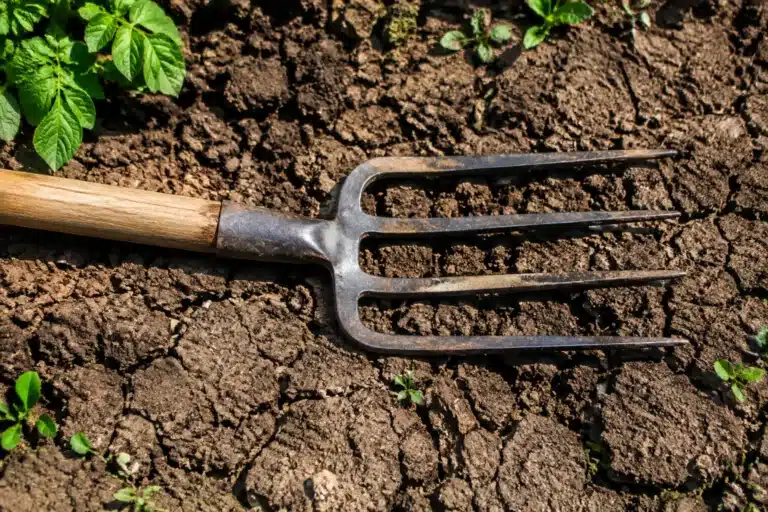
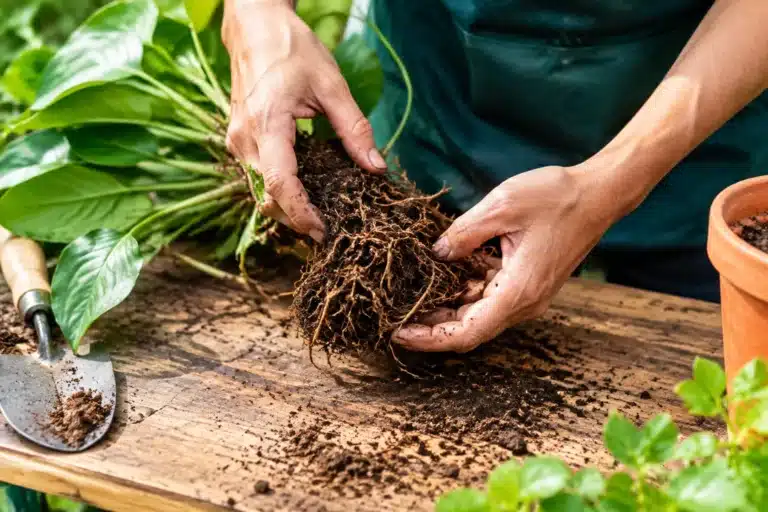
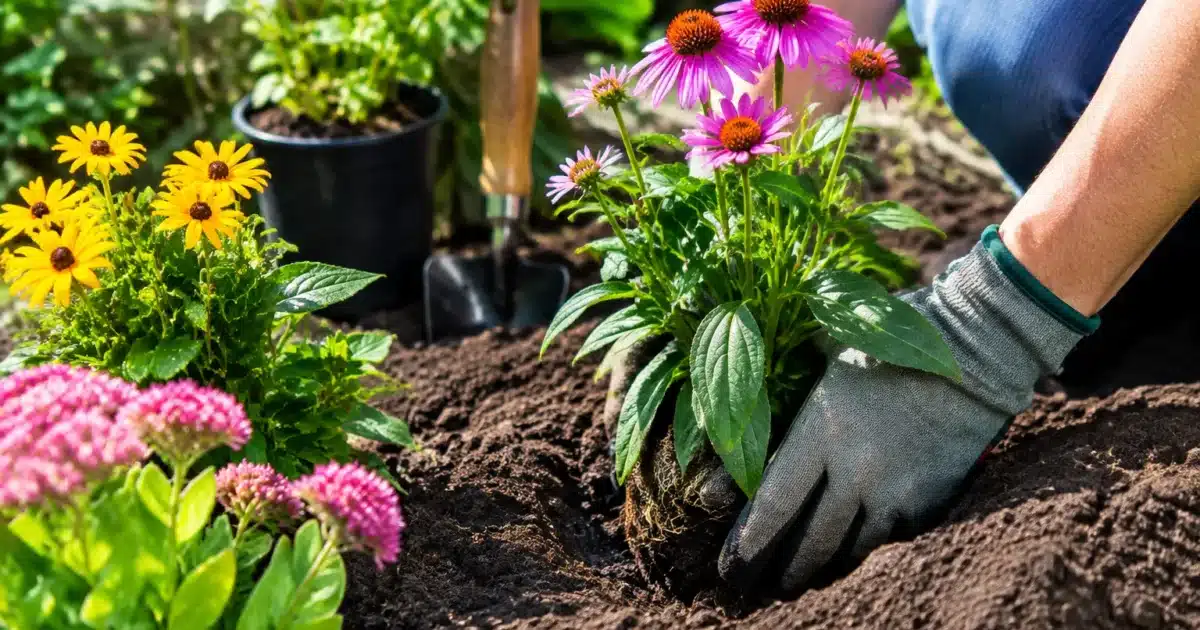
Planting distance varies depending on the effect you want: space plants 20–25 cm apart for dense, quick ground cover, or set them 30–40 cm apart if you prefer to let each clump develop in isolation within a bed. Always loosen the soil to a good depth, add compost if the soil is poor (see also what the old-timers put at the bottom of planting holes), and water generously for the first few weeks, even though the plant eventually becomes self-sufficient.
| Perennial | Exposure | Soil Type | Spacing |
|---|---|---|---|
| Cowslip Primrose | Partial Shade | Cool | 20-25 cm |
| Aubrieta | Sun | Well-draining | 30 cm |
| Hellebore | Shade | Cool, Humus-rich | 40 cm |
| Pulmonaria | Partial Shade | Cool | 30 cm |
| Bergenia | Sun/Shade | Average | 35 cm |
| Brunnera macrophylla | Shade | Cool | 30 cm |
| Mediterranean Spurge | Sun | Well-draining, Dry | 50 cm |
Minimal Maintenance: Self-Sufficient Perennials Year-Round
Once established, these perennials mainly require patience. In the first year, mulch reduces evaporation and protects young roots from late frost. After that, simply cleaning away dead foliage in spring is enough to trigger abundant flowering the following year, without regular feeding or watering for most of them.
Evergreen perennials like hellebore, bergenia, and Mediterranean spurge keep decorative foliage even in winter, avoiding unsightly gaps in beds. Combined with species that go dormant in winter, like pulmonaria or brunnera, they create a garden that stays alive twelve months a year with minimal intervention on your part.