The polar vortex already making headlines is just a preview, and the cool nights of recent days are only a taste of what’s coming. Before the real cold sets in, a few quick checks around the house can save you from a heating breakdown on a Sunday night or a frozen pipe during the holidays. Here are 8 things to inspect, room by room, to get through winter without any unpleasant surprises.
Why do these checks now, before the first major cold snap
A boiler that’s acting up, a radiator that stays cold at the top, an outdoor faucet that cracks in the freeze—these incidents almost always happen at the worst possible time, when the temperature plummets. Preparing before the worst cold arrives lets you spot weak points calmly, without urgent calls or expensive emergency repairs. It’s also the best way to keep your winter heating bills down, by fixing air leaks and insulation problems before they cost you money over several months of heating.
Check 1: Your heating system, radiators and boiler
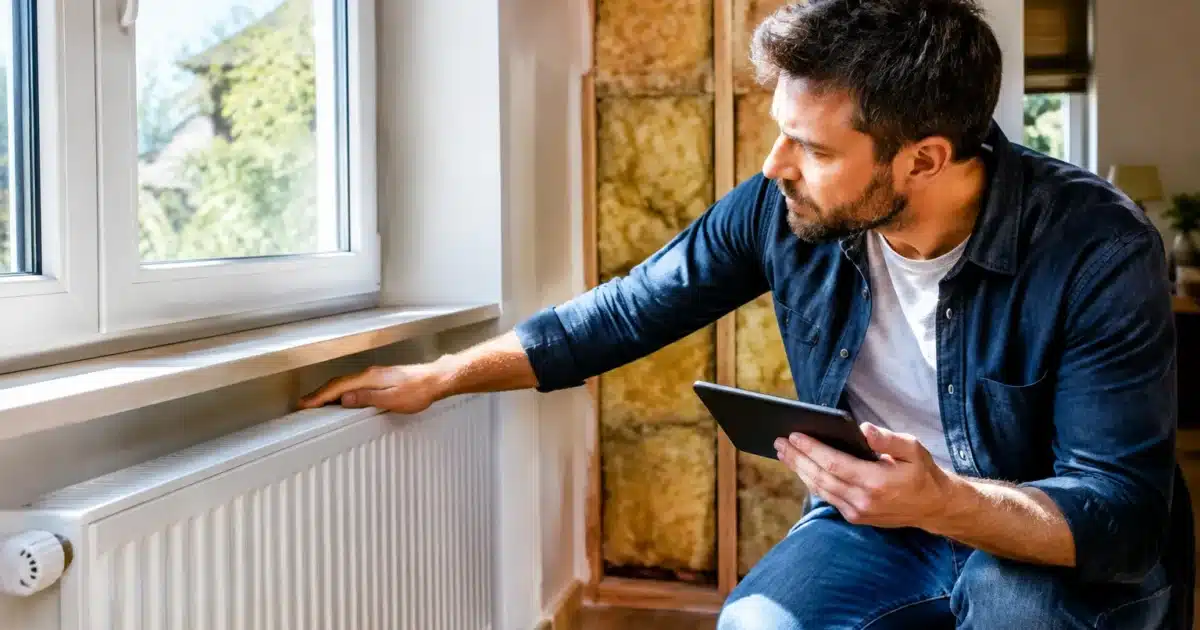
Before cranking up the heat, bleed your radiators. A radiator that gurgles or stays lukewarm at the top contains air, which prevents it from heating properly and makes your boiler work for nothing. Open the small bleed valve with the correct wrench until water flows without bubbles, on every radiator in the house.
While you’re at it, check the circuit pressure on your boiler’s pressure gauge (usually between 1 and 1.5 bar when cold) and have the unit serviced if it hasn’t been checked in a year. Annual boiler maintenance is the best protection against a breakdown during a cold snap, and it often determines whether your manufacturer’s warranty remains valid.
Check 2: The seals on windows and doors
Run your hand along window frames and under doors leading outside: a slight draft means poor sealing. Window seals harden and crack over time, letting heat escape without you noticing. A foam or brush-strip door seal, installed in ten minutes, is often enough to stop the most obvious air leaks at ground level.
If you feel cold in one spot even though the window seems closed, test with a candle or piece of paper: a flickering flame or moving paper shows exactly where the problem is.
Check 3: Insulation in the attic and walls
Heat rises, and much of it escapes through the roof when attic insulation is inadequate or compressed. A quick look into unused attics lets you spot crushed, damp, or unevenly distributed fiberglass insulation, especially near access hatches. This insulation problem often causes the biggest heat loss in a poorly prepared home, even more than windows.
For walls, a cold wall to the touch in winter or moisture marks at the base of a wall signal a thermal bridge worth addressing before the cold season rather than suffering through it all winter.
Never kill
another plant.
Take a photo: the app names the species, spots the problem and tells you exactly what to do.
Many people bleed radiators once at the start of the season and never touch them again. If a radiator starts making noise a few weeks into heating, that’s normal: air gradually rises through the system. A second quick bleed a month after the first prevents you from thinking the boiler is broken when it’s just residual air.
Check 4: Pipes and outdoor faucets against freezing
An outdoor faucet left unattended can crack on the first really cold night, with water seeping into the wall where you won’t see it right away. Cut off the water supply to the outdoor faucet, drain it by opening it for a few seconds, then protect it with an insulating cover. The same applies to exposed outdoor pipes on a patio or against a north-facing wall, especially vulnerable to freezing.
In an unheated garage or basement, also insulate pipes running along an exterior wall: a few centimeters of foam pipe wrap is enough to prevent a burst pipe in January.
Check 5: Ventilation and air extraction (ventilation systems, vents)
A common winter reflex: block air vents to avoid losing heat. That’s exactly the mistake to avoid. A poorly functioning ventilation system or blocked air intakes raise indoor humidity, which causes condensation on windows and mold in corners. Clean the exhaust vents in your kitchen and bathroom, and check that your ventilation system motor is still running normally.
Tap to scan your plant
This feature requires the Plantalya app. Scan any plant instantly with your camera!
Scan Your Plant — Download Free AppGood ventilation won’t cool your home if it’s properly adjusted: it simply removes humid air, which actually makes cold harder to bear and damages walls over time.
Check 6: Outside areas, roof, gutters and facade
Before the first cold rains, take a look around the outside. Clogged gutters full of leaves overflow and push water against the facade, where it can seep in and freeze and crack the wall. Also check the roof from the ground, or with binoculars: a loose roof tile after wind leaves it open to water well before any stain appears on the ceiling.
The facade itself deserves a careful look: a fine crack today can widen under freezing, water seeping inside swelling as ice and working the masonry from within.
Check 7: Overlooked spaces—basement, laundry room and garage
The basement and garage are often forgotten when preparing for winter, even though they sometimes house the water meter or part of the plumbing. A simple draft through a poorly sealed garage door can drop the temperature below freezing in that area, with a direct risk for pipes running through it.
Never kill
another plant.
Take a photo: the app names the species, spots the problem and tells you exactly what to do.
In the laundry room, check that your washing machine’s water inlet isn’t pressed against an uninsulated exterior wall, and that the window, if there is one, closes properly. These are quick-pass rooms, but they often contain the easiest insulation problems to fix.
Check 8: Carbon monoxide detector and safety
In winter, windows stay closed longer and heating appliances run more: this is when the risk of carbon monoxide poisoning increases. Test your carbon monoxide detector by pressing the test button, and replace the battery if needed. Place it near your boiler, water heater, or any combustion appliance, but never right against the ceiling above it.
Also have the exhaust ducts of your gas or wood-burning appliances checked: a blocked duct combined with a poorly ventilated room creates the most dangerous winter combination.
A check-up that takes an hour, not a weekend
These 8 points require no special tools or advanced technical skills. An hour is usually enough to bleed your radiators, test the carbon monoxide detector, shut off your outdoor faucets, and take a look at the attic and gutters. That’s little, compared to the cost of water damage or a boiler breakdown in the dead of winter.