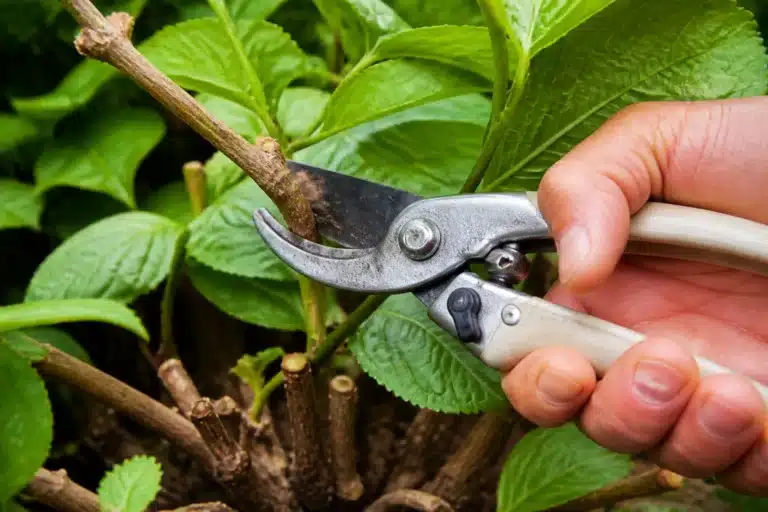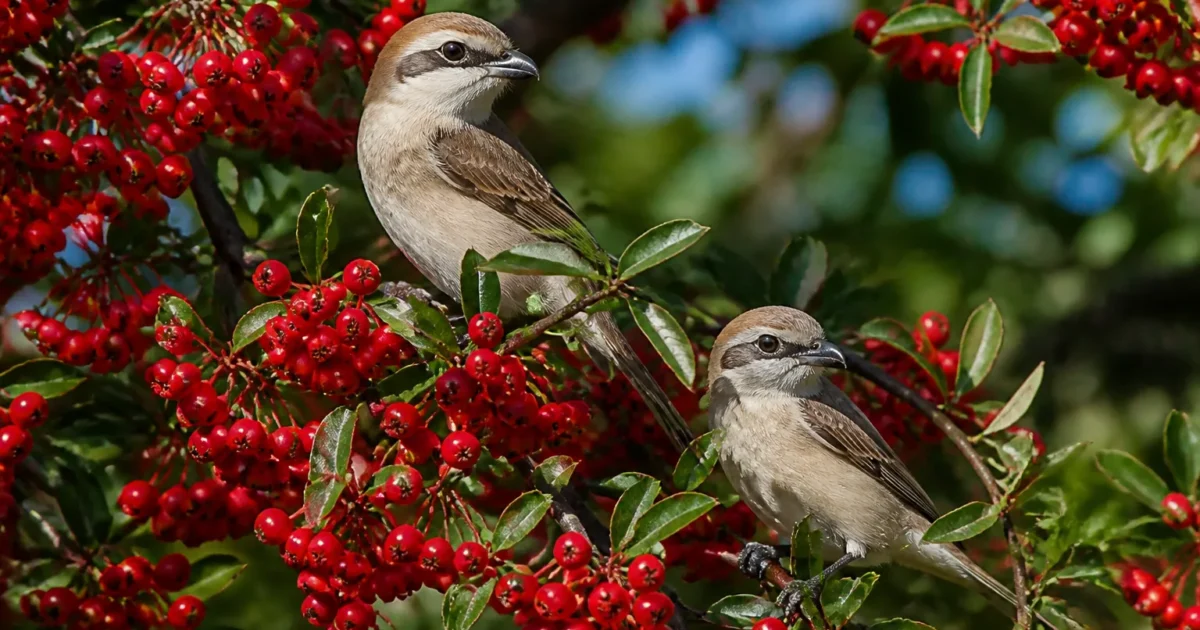
Autumn arrives and you eye up your garden with secateurs in hand. But hold on—you could be making a mistake that directly threatens your garden birds. Pruning certain shrubs that should remain untouched for their flowers might seem logical for tidiness, but it can devastate your wildlife. Here’s why these five shrubs should stay exactly as they are until spring.
The 5 shrubs to preserve absolutely in autumn
Lilac is your first ally. Its fragrant flowers will burst in spring, but their flower buds are forming right now, in autumn. Pruning a lilac at this time destroys next May’s flowers before they even open. You also deprive your birds of the sweet nectar they desperately need after a hard winter.
Forsythia displays its golden branches from February onwards, but this spring flowering depends entirely on buds formed in autumn. This shrub also provides vital natural shelter for birds, with its dense branches protecting them from wind and weather. Pruning forsythia in autumn leaves your birds homeless as winter approaches.
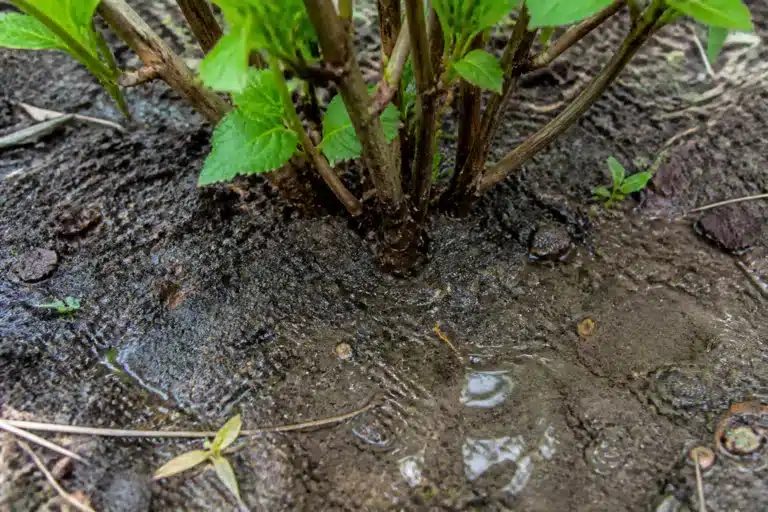
Hydrangeas stand out for their voluminous flowers, but particularly for the persistent berries and seed heads that remain on the plant right through winter. These provide a precious food source for birds during the cold season. Autumn pruning directly destroys this vital nourishment. Rhododendrons make excellent winter shelters. Their evergreen leaves persist all winter, creating thermal insulation for roosting birds during freezing nights.
Snowball viburnum produces berries that feed birds through winter, progressively darkened by frost. These fruits are a gift for birds searching for food resources. Pruning this shrub in autumn wastes a supply they’re counting on when times get tough.
Why autumn is a critical season for garden birds
Autumn isn’t just about falling leaves. It’s when your garden birds enter an intense survival cycle. Several biological processes unfold simultaneously and depend directly on the structure of your shrubs.
Late nesting is still underway. Certain species, such as tits, raise second or even third broods through September. These young birds are still living in the shrubs you’re considering pruning. Autumn work destroys the shelters where these vulnerable broods live.
Never kill
another plant.
Take a photo: the app names the species, spots the problem and tells you exactly what to do.
Birds also identify dense shrubs where they’ll roost through the cold nights of winter. It’s a merciless natural calendar: spring flowers, autumn fruits, then food resources in winter. Pruning in autumn breaks this cycle. You eliminate natural shelters before birds need them, and you waste the berries and seeds that will feed them through the hardest months.
The real dangers of pruning these shrubs in autumn
Beyond wildlife, there are real threats to the plants themselves, which compounds the problems further. Fresh wounds created by autumn pruning are exposed to frost. When temperatures drop, water inside the wound freezes, enlarging the microfractures and potentially killing the branch or weakening the whole plant.
Tap to scan your plant
This feature requires the Plantalya app. Scan any plant instantly with your camera!
Scan Your Plant — Download Free AppA weakened plant produces fewer flower buds in spring, so less nectar and fewer berries. You create a diseased plant, unattractive to the biodiversity of the ecological garden you dreamed of. You’ve compromised its productivity for at least two seasons.
Frost: the enemy of fresh pruning wounds
Each pruning cut expels raw sap. In autumn, this sap freezes at night and thaws during the day, creating a cycle of cellular damage. With each cycle, tissue weakens further. Result: the branch dies and produces nothing. For birds, it’s like losing an entire food source.
When and how to prune them correctly
If your shrubs really do need pruning—which is rare—wait until late winter, in February or March. By then, frost won’t damage fresh pruning wounds, and flowing sap will quickly seal the injuries. The plant recovers and can produce normally.
Never kill
another plant.
Take a photo: the app names the species, spots the problem and tells you exactly what to do.
Light pruning is always best. Remove only dead or diseased branches, never more than a third of the volume. This preserves flower buds for the next season and maintains the shelter structure birds seek. You keep a productive, welcoming shrub for wildlife.
Observe your garden before you intervene
Before reaching for the secateurs, spend a few days simply watching your garden. Note which birds visit your shrubs. Watch where they roost as evening falls. Identify berries forming on each plant. This observation is your true guide.
If you see young birds or adults regularly resting in a shrub, it’s not a shrub to prune. If berries are still gleaming on branches, it’s not the right time either. Patience and observation create a garden where wildlife and plants flourish together. That’s how you build true biodiversity around your home, respecting the shelters and food sources birds need before winter arrives.