

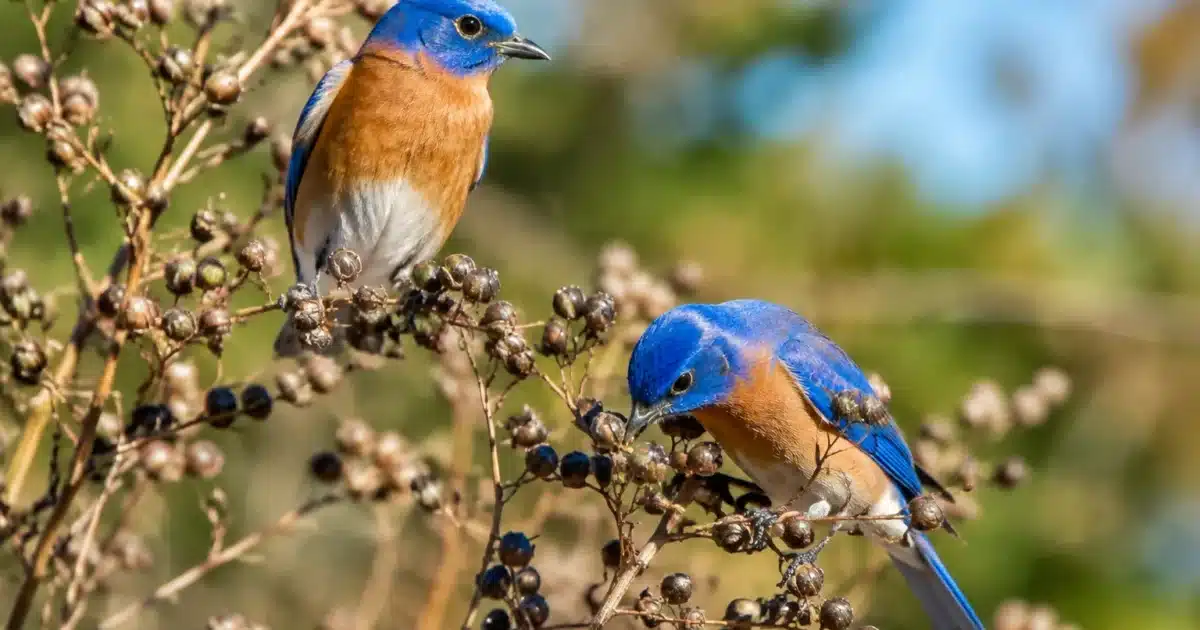
You reach for the pruning shears the moment a flower loses its petals? Big mistake. Faded flowers aren’t waste: they often bear seeds still attached to their dry seed heads, a real treasure trove for garden birds when cold weather arrives. Some plants continue to feed titmice, goldfinches, and other visitors well into winter, long after summer ends.
Here are six of them, easy to grow, that transform a simple flower bed into a natural pantry right through the deepest months of winter.
Why letting flowers fade feeds birds better than bird feeders
A bird feeder depends on you: you have to fill it, clean it, prevent mold. A seed-bearing plant does the work on its own. It produces its own food, at the right time, in a form birds instinctively recognize. It’s also healthier: no risk of disease spreading from a poorly maintained feeder.
Leaving faded flowers standing offers another advantage: self-seeding. Seeds that escape the birds’ beaks fall to the ground and create new plants the following year, without replanting or extra maintenance. The garden regenerates itself, and biodiversity gains, since those same dry stems also shelter dormant pollinating insects, another food source for insectivorous birds.
6 plants that excel at feeding birds after flowering
Sunflower: generous seeds through winter
The sunflower remains the gold standard. Once the petals fall, the central seed head transforms into a dense disk of oily seeds, highly sought after by goldfinches and titmice. Don’t cut the stem: leave it to dry standing upright, head drooping, and it will hold for several weeks, dispensing its contents as birds visit.
Echinacea: nutrient-rich dry seed heads
This hardy perennial keeps its domed, spiky center long after flowering ends. This dry seed head concentrates small, energy-packed seeds perfect for facing early cold snaps. Goldfinches readily cling to it, balancing on the rigid stem.
Rudbeckia: persistent feast for goldfinches and titmice
Similar to echinacea in how it works, rudbeckia produces black, dry seed heads that stand tall throughout autumn. Titmice find natural, easy-to-access food here, without having to compete with other species for a spot at a feeder.
Cosmos: self-seeding and lightweight seeds
Cosmos is an annual that relies on quantity. Its fine, light seeds disperse easily, making it a champion of self-seeding. Small songbirds peck directly at the stems before the wind carries the rest away.
Never kill
another plant.
Take a photo: the app names the species, spots the problem and tells you exactly what to do.
Elder: autumn berries highly prized
A shift in approach with this shrub: here, berries are what matter. Elder produces dark berry clusters in autumn, highly appreciated by blackbirds and thrushes, but also by passing titmice. It’s an excellent bridge between late-summer seeds and winter fruits.
Barberry: persistent fruits and winter shelter
Barberry checks two boxes at once. Its persistent fruits cling to branches through much of winter, offering late-season reserves when other food sources grow scarce. Its thorny foliage also serves as winter shelter against predators, a double benefit rarely offered by a single plant.
| Plant | Type | Availability | Birds Attracted |
|---|---|---|---|
| Sunflower | Annual | Late summer to early winter | Goldfinches, titmice |
| Echinacea | Perennial | Autumn to winter | Goldfinches |
| Rudbeckia | Perennial | Autumn | Titmice, goldfinches |
| Cosmos | Annual | Late summer | Small songbirds |
| Elder | Shrub | Autumn | Blackbirds, thrushes, titmice |
| Barberry | Shrub | Autumn to winter | Titmice, blackbirds |
Tap to scan your plant
This feature requires the Plantalya app. Scan any plant instantly with your camera!
Cutting back dry stems systematically by October cuts short weeks of available food. Wait for truly cold weather, or better yet, leave certain areas of your flower bed untouched until spring.
How to design your garden to maximize natural food sources
Mix annuals and perennials to stagger fruiting periods: cosmos feeds early, echinacea and rudbeckia take over in autumn, then barberry holds on through winter. Add a berry-bearing shrub like elder at the back of the bed; it will also provide shelter.
Never kill
another plant.
Take a photo: the app names the species, spots the problem and tells you exactly what to do.
Group these plants rather than scattering them: a dense flower bed attracts more birds than an isolated plant, and makes them easier to spot visually. A water source nearby completes the picture, especially during freezing periods, when access to water becomes as difficult as access to food.
Mistakes to avoid: when and how not to cut faded flowers
The temptation to “tidy up” before winter is the main pitfall. An overly cleaned garden offers neither seeds nor winter shelter. Keep at least some dry stems standing until late winter, and never treat these areas with pesticides, as that would also eliminate pollinating insects wintering in plant tissues.
Reserve cutting for very early spring, when new shoots appear and seed stocks are depleted. Only at that moment does pruning become a service to your garden, without depriving anyone of a last meal.


