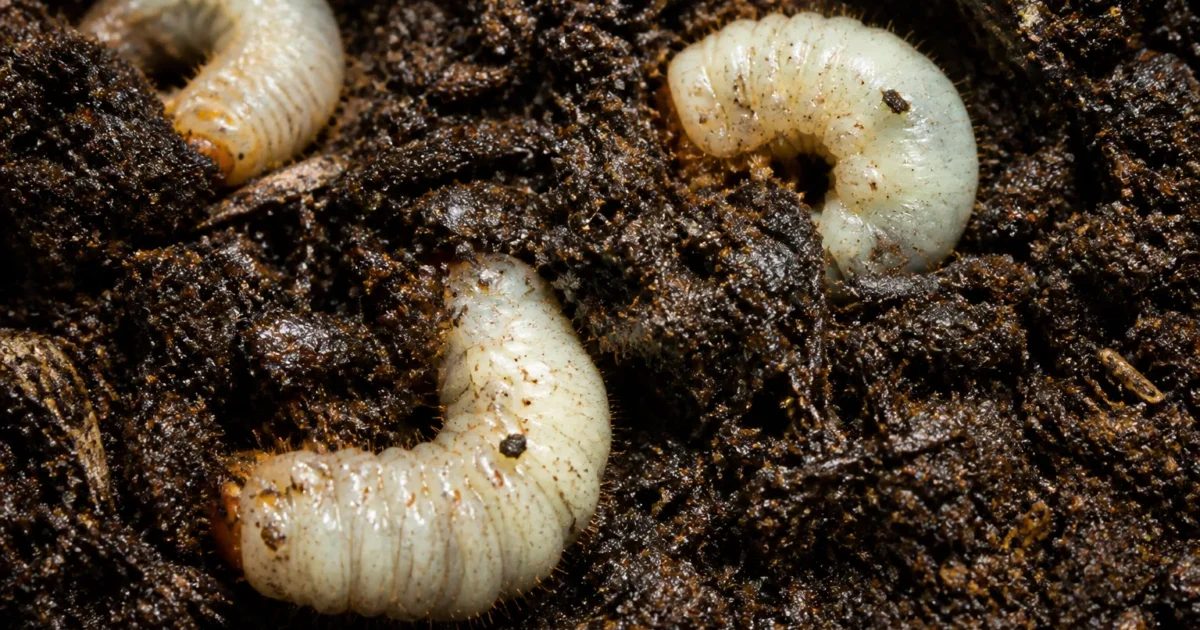
You’ve set up a wormery and notice earthworms multiplying inside? Excellent news. You’ve created a natural system that few gardeners fully appreciate: a living recycling bin that transforms your kitchen waste and produces worm compost—a valuable organic soil conditioner. These earthworms fragment your waste, improve soil structure and create a sustainable amendment straight in your garden. Here’s why wormeries are winning with gardeners who want to reduce waste and work with nature.
These earthworms are your garden’s best helpers: their vital role in a wormery
It’s understandable to be surprised when you first open your wormery and see earthworms wriggling through the layers. But that’s exactly where they belong. The earthworms in a wormery aren’t pests—they’re natural decomposers, tiny workers that break down organic matter far more effectively than microbes working alone.
Vermicomposting (composting with worms) isn’t just a bacterial process. The earthworms play an essential mechanical role. They consume kitchen scraps, fragment them into tiny particles and transform raw waste into fine, nutrient-rich material. This physical and biological breakdown creates what gardeners call “black gold”—a living soil amendment, quite different from synthetic fertilisers that add raw mineral elements without organic structure.
Without these earthworms, decomposition slows down, the layers compact, and the system becomes less productive. With them, you speed up the process and create an ecosystem where life flourishes. That’s why the presence of healthy earthworm populations in a wormery is a sign of success, not a problem to fix.
Identifying your wormery workers: which earthworms do the job?
Before you harness their power, you need to know what’s living in your wormery. Here’s where confusion often creeps in: not every earthworm or soil creature belongs in a wormery, and some garden pests are sometimes mistaken for wormery residents. Understanding the difference matters.
The most effective wormery earthworms are red worms—particularly the tiger worm (Eisenia fetida)—which are small (5-10 centimetres), reddish or striped, and spend their entire life in the upper layers of organic waste. They reproduce quickly in warm, moist conditions and consume their own body weight in food daily. You’ll find them clustering near the surface of a healthy wormery, especially where fresh food waste has been added. The common garden earthworm (Lumbricus terrestris), by contrast, is much larger, pale brown, and burrows deep into soil rather than staying in decaying organic matter—so it won’t thrive in a wormery and won’t be useful there.
Occasional visits from beetles and larvae in outdoor wormeries are natural, but the earthworms themselves—particularly the tiger worms and red worms—are your primary workforce. If your wormery is thriving and you see large populations of small, reddish earthworms, you’ve succeeded in creating an environment where these decomposers flourish.
How they transform waste: what worm compost actually adds to your soil
Here’s the practical reality: how does vermicompost benefit your garden? As earthworms move and tunnel through the waste, they create pathways that allow air and water to circulate, which encourages beneficial microbial activity. At the same time, they consume the waste and excrete it as a fine, dark material rich in organic matter and plant-available nutrients. It’s pre-digested organic matter, processed through living biology.
Never kill
another plant.
Take a photo: the app names the species, spots the problem and tells you exactly what to do.
The nutrients released through vermicomposting are immediately available to plants. More importantly, vermicompost acts as an organic soil conditioner and long-term nutrient source. Unlike a synthetic fertiliser that provides a temporary boost of nitrogen or phosphorus, worm compost enriches your soil’s structure, water-holding capacity and microbial life—benefits that persist year after year. It’s not a quick fix; it’s building soil health that regenerates naturally without chemical inputs.
When you add worm compost to your garden, you’re introducing organic matter and the biology that comes with it. Beneficial fungi develop better. Earthworms in your soil work with the organisms from the compost. The entire soil ecosystem becomes more resilient. This is the difference between a temporary nutrient boost and sustainable soil building based on living processes.
Should you grow them, encourage more, or keep numbers in check?
The answer depends on your situation. If you’ve started a wormery and earthworm populations are growing, let them. More earthworms means faster waste processing and quicker production of finished worm compost. There’s no downside to healthy populations.
Tap to scan your plant
This feature requires the Plantalya app. Scan any plant instantly with your camera!
If your wormery becomes waterlogged or produces a foul smell (rather than a pleasant earthy odour), gentle management helps. Add more dry materials—shredded paper, cardboard, dried leaves—to improve drainage and balance. Reduce feeding temporarily if you’ve added too much fresh waste. Mix the contents occasionally to prevent the bottom layers becoming anaerobic. But you’re not trying to eliminate earthworms; you’re creating better conditions for them to work efficiently. A wormery with thousands of earthworms is a successful one.
If you want to actively encourage earthworms, maintain consistent moisture (damp but not waterlogged) and a good mix of food waste and dry material. Vegetable scraps and shredded paper for composting are ideal. A healthy wormery produces a subtle, pleasant earthy smell—a sign that the system is working and earthworms are thriving.
What your wormery tells you about the health of your system
Here’s something many gardeners don’t realise: a wormery with a large, healthy earthworm population is already telling you that the system is working well. A wormery that remains empty of earthworms after several weeks suggests the conditions aren’t right—temperature, moisture, or food balance needs adjustment. But a wormery bursting with earthworms is a system in progress, moving toward finished worm compost of genuine quality.
Never kill
another plant.
Take a photo: the app names the species, spots the problem and tells you exactly what to do.
The earthworms also indicate that your wormery is creating a hospitable environment for other beneficial organisms. Beetles, flies and predatory insects visit because the environment is rich with resources. As months pass, you’ll observe earthworm populations rise as the waste breaks down, then decline slightly as the compost matures and becomes less attractive to them. This is a natural cycle, an ecological succession that eventually produces finished worm compost ready for your garden beds. That’s how you know your wormery is working as intended.
UK Wormery Regulations: The T26 Exemption Explained
If you operate a small wormery at home to process kitchen waste, the Environment Agency’s T26 exemption applies in England, Wales and Northern Ireland. You can treat up to 6 tonnes of kitchen waste in any 12-month period without requiring an environmental permit. The exemption covers wormeries used to produce compost for use on your own land as a soil conditioner or fertiliser. For larger operations, an environmental permit becomes necessary.