You look at your garden and already dream of seeing it overflowing with flowers next spring? No need to empty your wallet at the nursery. Late summer and early September are the best time of year to start propagating: parent plants are still vigorous, the heat is subsiding, and rooting occurs in ideal conditions.
Here are ten plants that multiply without difficulty during this period, each with the precise technique to follow for a blooming garden without spending a single euro (see also these plants that propagate in August with a high success rate).
Why propagate after summer?
Between late August and late September, sap circulates more slowly and stems begin to harden, or ripen, slightly. This is precisely what encourages strong rooting before the cold arrives. Summer cuttings taken at this time have plenty of time to develop roots before winter, to thrive again with the return of fine weather.
| Plant | Stem Type | Ideal Period |
|---|---|---|
| Lavender | Semi-hardwood | Late August to mid-September |
| Hydrangea | Herbaceous | August to September |
| Geranium | Herbaceous | September |
| Fuchsia | Herbaceous | August to September |
| Rose | Semi-hardwood | September to October |
| Jasmine | Semi-hardwood | Late summer |
| Butterfly bush | Semi-hardwood | August to September |
| Oleander | Semi-hardwood | Late summer |
| Bougainvillea | Semi-hardwood | August to September |
| Rhododendron | Semi-hardwood | Late summer |
1. Lavender
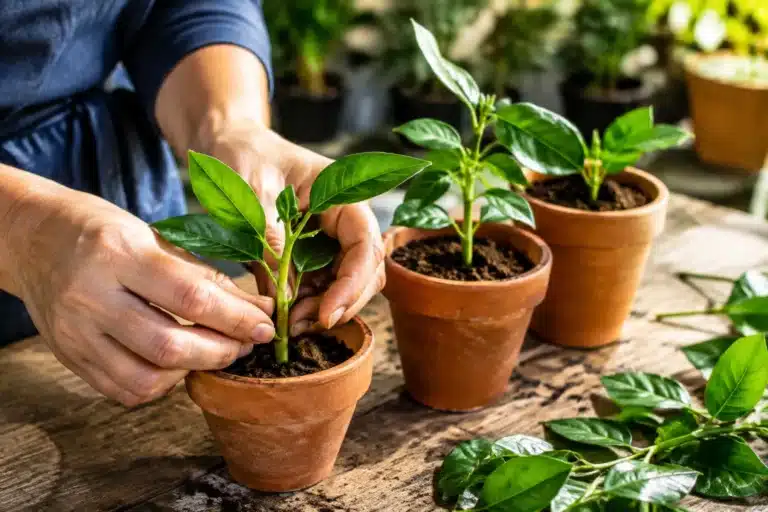
Cut a non-flowering stem approximately 10 centimeters long, remove the lower leaves, and plant it directly in well-draining potting soil mixed with sand. Lavender needs almost no rooting hormone, but it hates excess moisture: light watering is enough to initiate rooting.
2. Hydrangea
Cut a flowerless stem 15 centimeters long, keep two leaves cut in half to limit evaporation (be careful, however, when fall pruning, because a badly placed cut prevents the hydrangea from flowering again). Dip the base in rooting hormone, then push it into light potting soil kept moist. Within a few weeks, the first roots appear in good ambient humidity.
3. Geranium
This is one of the easiest summer cuttings to succeed with. A 10-centimeter stem, left to dry for an hour in the open air before planting, prevents rot. Placed in well-draining soil away from direct sunlight, it roots in three to four weeks.
4. Fuchsia
This small shrub propagates very well from young non-flowering shoots. An 8 to 10-centimeter stem, planted in a mixture of potting soil and perlite, quickly develops roots if humidity remains constant without excessive watering.
5. Rose
Never kill
another plant.
Take a photo: the app names the species, spots the problem and tells you exactly what to do.
Choose a stem from the current year, neither too young nor too woody, approximately 20 centimeters long. Remove all leaves except the two at the top, dip the base in rooting hormone, and bury it two-thirds deep in rich potting soil. Final repotting usually happens next spring once roots are well established.
6. Jasmine
Jasmine is propagated from semi-hardwood stem sections 15 centimeters long. Planted in a pot filled with moist potting soil and placed in partial shade, it roots without difficulty and can later join a flower bed or climb along a trellis.
7. Butterfly Bush (Buddleia)
This vigorous-foliaged shrub tolerates propagation very well. A 15 to 20-centimeter stem, cut just below a node, roots easily in light potting soil. Growth is rapid, making it an excellent choice for filling a flower bed by the second year.
8. Oleander
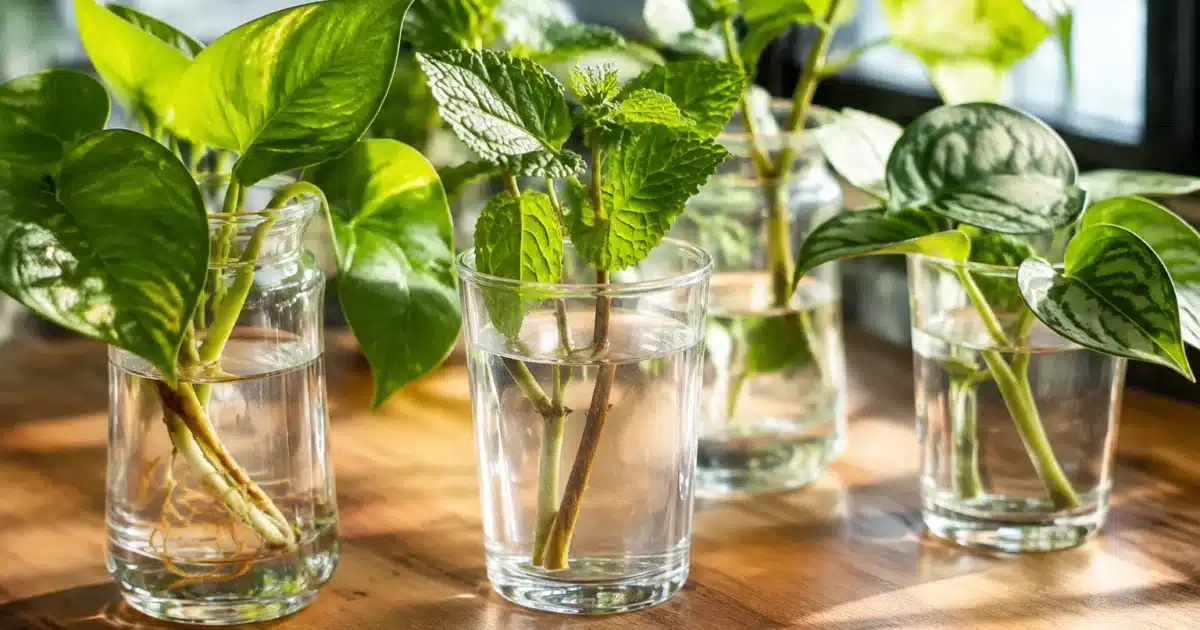
A 15-centimeter semi-hardwood stem is sufficient. Some gardeners even root it directly in water before transferring it to soil, a technique for propagating oleander in a glass of water that works particularly well with this undemanding Mediterranean shrub.
Tap to scan your plant
This feature requires the Plantalya app. Scan any plant instantly with your camera!
9. Bougainvillea
Bougainvillea requires a bit more patience, but remains accessible to beginners. A semi-hardwood stem dipped in rooting hormone and placed in warm, moist potting soil develops roots in four to six weeks, away from cool drafts.
10. Rhododendron
This shrub appreciates acidic soil, based on peat moss. Take a 10-centimeter semi-hardwood stem, lightly wound the base with a knife to encourage rooting, then maintain constant moisture until the first roots appear.
The mistake that rots half your cuttings
Overwatering remains the number one cause of propagation failure. The soil must remain moist, never waterlogged. Excess stagnant water around the stem promotes rot before roots even have time to form.
Never kill
another plant.
Take a photo: the app names the species, spots the problem and tells you exactly what to do.
Tips for successful summer cuttings
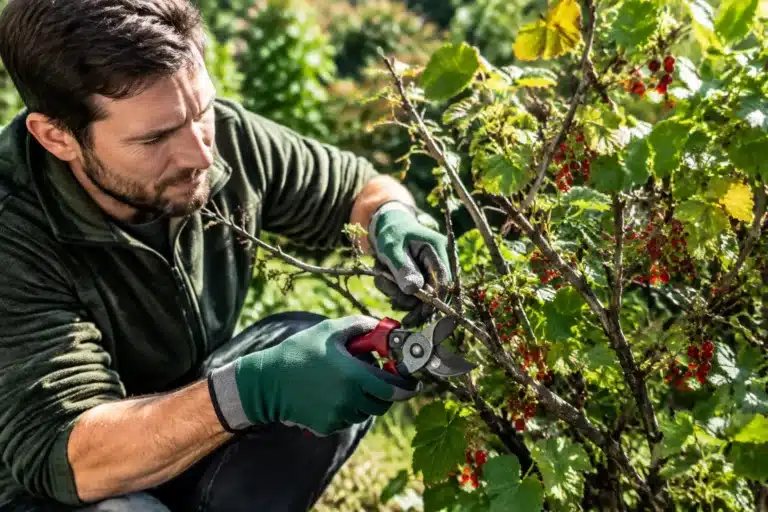
Always use a sharp, disinfected pruner or knife to cut stems: a clean cut limits the risk of disease. The soil should be light and well-draining, possibly lightened with sand or perlite to encourage rooting.
Place your pots away from direct sunlight and drafts, in a bright but temperate location. A mini plastic tunnel or simple clear plastic bag placed over the pot helps maintain necessary humidity without requiring frequent watering.
Final repotting into garden soil or permanent containers usually happens next spring once roots are sufficiently developed. Perennials and shrubs propagated this way often provide a first bloom by their second year, creating a flourishing garden at no expense.