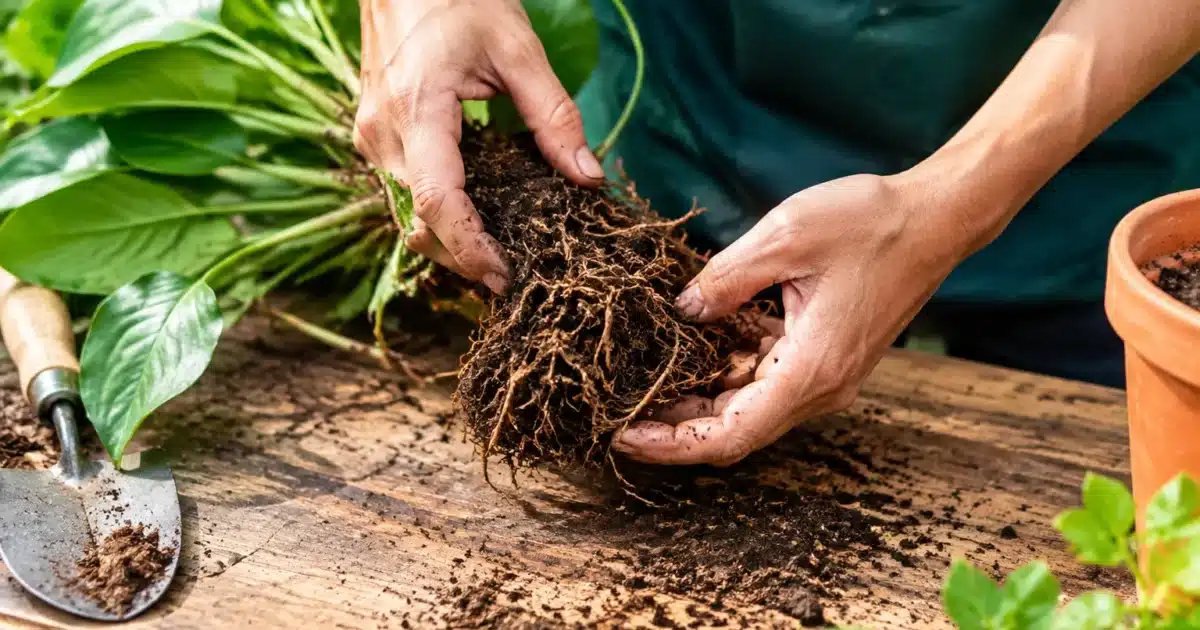
You look at your garden and dream of filling it without emptying your wallet? The answer is right before your eyes, literally in the soil. Some of your perennials are just waiting for a spade to transform into dozens of new plants.
This is the perfect time for plant division. With just a few gestures, a single tired clump becomes several vigorous plants, ready to bloom elsewhere in the garden or at friends’ homes. Here are the 6 perennials to divide as a priority, and the technique to avoid damaging anything, to combine if needed with our selection of 7 perennials to plant now for a blooming garden.
Why dividing your perennials now saves you tens of euros
A single iris or agapanthus plant in a pot easily costs between 8 and 15 euros at the garden center. Multiply that by the number of beds to fill, and the bill climbs quickly. Division lets you get free plants from what you already own, without buying anything.
Late summer and early autumn offer perfect conditions: the soil stays warm, rain returns, and the plant no longer directs energy toward flowering. It can concentrate its strength on rooting. This optimal period is what guarantees good establishment before winter.
The 6 plants to divide right now to multiply your garden for free
1. Iris: divide rhizomes after flowering
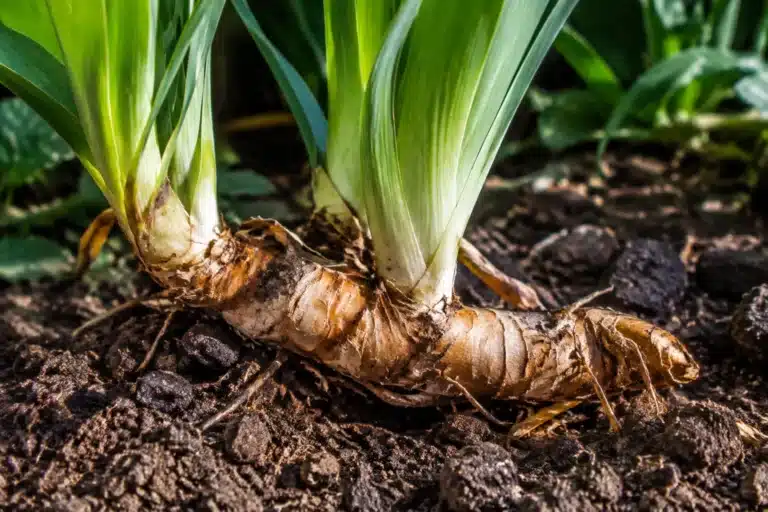
Bearded irises form rhizomes that exhaust themselves at the center over the years. In September, dig up the entire clump, cut the rhizomes into 8 to 10 centimeter sections, each bearing a fan of leaves, then shorten the leafy fan before replanting on the surface, barely covered with soil.
2. Daylily: separate offsets by hand
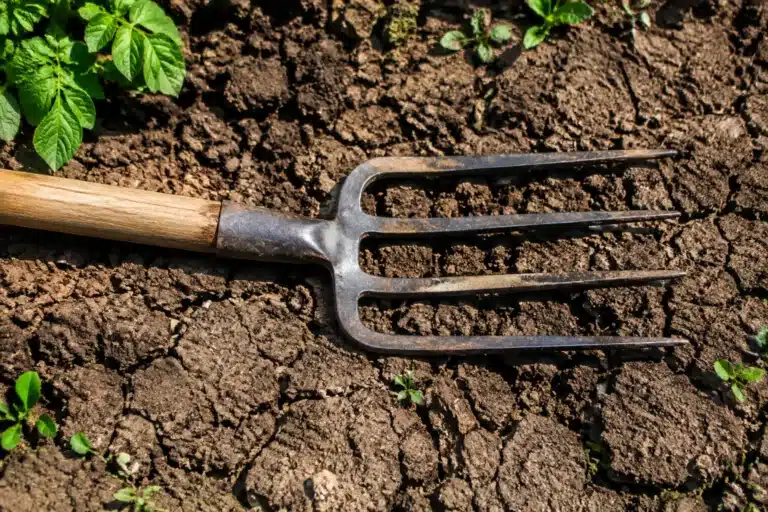
Daylilies multiply almost on their own, their roots are so dense. Remove the mother clump with a spading fork, then gently pull to separate the natural offsets. Each offset with a few roots and a bud regrows without problems once replanted.
3. Agapanthus: divide while avoiding damage to fleshy roots
Agapanthus hate damaged thick roots (check out our guide on what to do with agapanthus after flowering to complete this division step). Work with a clean knife rather than pulling, separating the clump into sections of at least three to five shoots to ensure good establishment and rapid flowering the following year.
4. Hosta: take advantage of an easy-to-slice root system
Hosta forgives almost any mistake. A sharp spade is enough to slice the rootball in two, four, or six pieces depending on the initial size. Each piece, replanted at the same depth, restarts without stress the following spring.
Never kill
another plant.
Take a photo: the app names the species, spots the problem and tells you exactly what to do.
5. Aster: divide the exhausted central clump
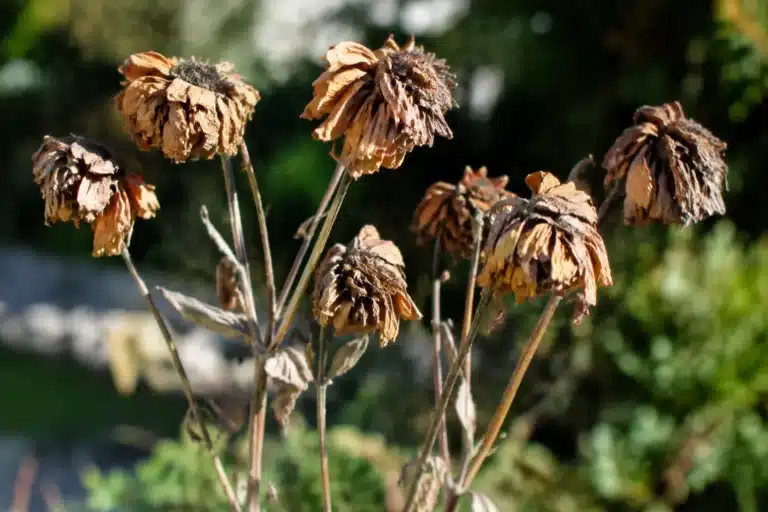
Asters age poorly at the center, which becomes bare after three or four years. Keep only the peripheral parts, which are more vigorous, and discard the woody core. These offsets can be replanted immediately and will bloom the following autumn.
6. Ornamental grasses: cut with secateurs or a saw
Miscanthus, carex, and pennisetum form such dense clumps that sometimes a saw is needed to split them. Divide into quarters at least 15 centimeters in diameter, water generously after planting to encourage rapid establishment.
Tap to scan your plant
This feature requires the Plantalya app. Scan any plant instantly with your camera!
Never leave roots exposed to air for more than a few minutes. Replant immediately or cover the offsets with a damp cloth while waiting. It’s often this detail, more than the technique itself, that determines success.
How to divide a perennial clump without breaking anything: the essential steps
The method remains essentially the same for all perennials with fleshy roots or dense clumps. Here are the steps to follow to divide a clump properly, regardless of the plant concerned:
Never kill
another plant.
Take a photo: the app names the species, spots the problem and tells you exactly what to do.
- Water the day before if the soil is dry, to make root extraction easier.
- Dig up the entire rootball with a spading fork, digging widely around the plant.
- Separate by hand, with a knife, or with a saw depending on root density.
- Keep at least one shoot or bud per offset to guarantee establishment.
- Replant immediately, water generously, and mulch to protect the roots.
This operation, repeated on several garden perennials, allows you to multiply endlessly entire beds in a single afternoon. It’s also a chance to rejuvenate plants that have flowered less well year after year, much like with these 5 plants to propagate in August with a high success rate.
The signs that show a plant is ready to be divided
A clump that flowers less than before, whose center is becoming bare, or that sprawls well beyond its original spot needs dividing. The same is true when stems become too numerous for the available space, a sign that roots lack room to breathe.
By observing these signals in your budget garden, you transform each aging perennial into a source of new plants. A single starting clump can thus give rise to an entire flowering border, without spending a single euro at the garden center.