Are you looking for a fruit tree that grows almost on its own, without treatment or regular watering, and produces fruits you’ll never find on supermarket shelves? The cornelian cherry (Cornus mas) checks all the boxes. Planted for centuries in European gardens, it has gradually disappeared from nursery catalogs in favor of more commercially viable varieties. Yet this overlooked fruit tree deserves a place in a small garden.
What is this little-known fruit tree that produces effortlessly?
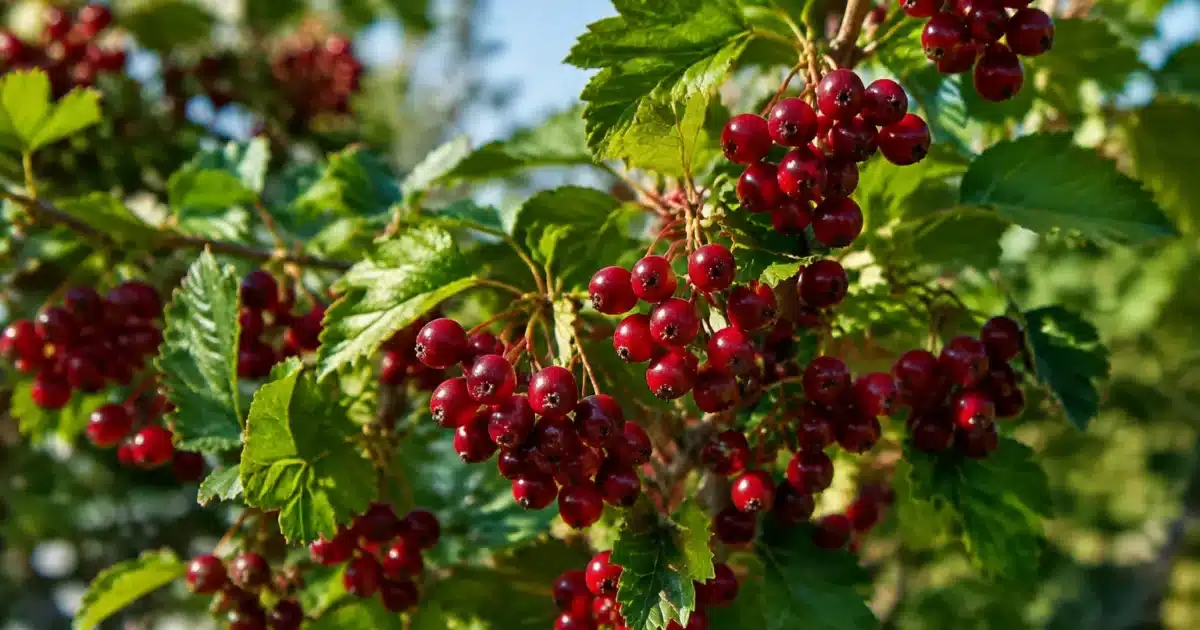
The cornelian cherry is a shrub or small tree native to Europe and Asia Minor, which can reach between 3 and 6 meters in adulthood. It produces cornelian cherries, small oval berries that turn bright red when ripe, rich in vitamin C and with a tart flavor reminiscent of cherry and currant. These edible fruits are practically impossible to find in supermarkets, due to the lack of profitable commercial production on a large scale.
Symptom Checker
Check the symptoms you observe on your plant:
Its reputation as an undemanding fruit tree stems from a rare combination: slow but steady growth, early flowering in yellow as late winter arrives, and the ability to produce for years without special intervention. This is exactly what gardeners seek when they want generous harvests without spending hours monitoring their trees.
Why this fruit tree deserves a place in your garden
Exceptional hardiness and resistance
The cornelian cherry tolerates temperatures dropping to -25°C, making it a solid choice even in challenging climates. Its natural resistance to fungal diseases and common orchard pests makes it an almost autonomous fruit tree once established. It tolerates both summer drought and harsh winters, and requires only minimal watering after its second year of planting.
Never kill
another plant.
Take a photo: the app names the species, spots the problem and tells you exactly what to do.
This natural resistance is explained by its deep root system, which seeks water far down in the soil. The result: a tree that gets through dry summers without visible water stress, unlike more common fruit trees such as apple or plum.
Generous harvests with minimal maintenance
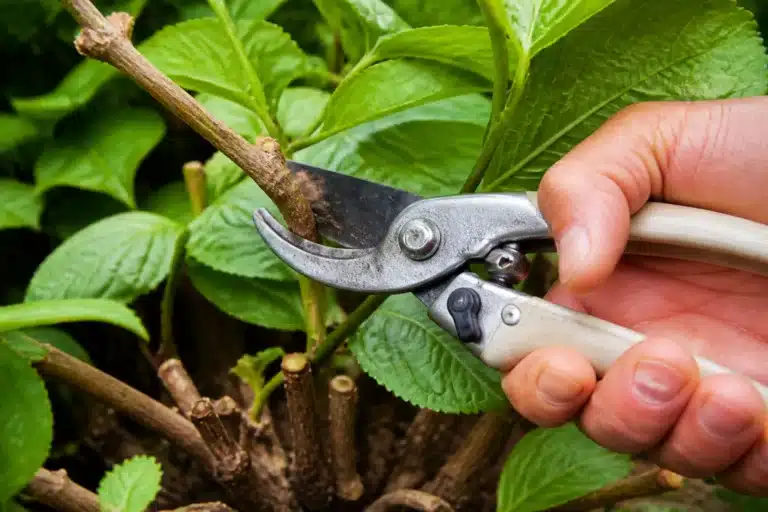
An adult cornelian cherry can produce between 15 and 25 kg of fruit per season, without watering or special fertilization, a yield that underscores the importance of proper pruning for production, as with cutting the stem after harvest on raspberry canes which determines the following year’s harvest. Harvesting typically occurs in September, when the cornelian cherries fall naturally to the ground or detach easily by hand. No severe pruning is necessary: a few maintenance cuts every two or three years is enough to maintain an attractive shape, much like removing dead branches from currant bushes which improves the next harvest.
Cornelian cherries against scurvy of old
Rich in vitamin C, cornelian cherries were once used to prevent winter deficiencies, at a time when citrus fruits remained rare in Northern Europe. Their content rivals that of certain citrus fruits, which explains their current renewed interest among lovers of forgotten fruits.
Where and how to plant it for success
Tap to scan your plant
This feature requires the Plantalya app. Scan any plant instantly with your camera!
Ideal soil conditions and exposure
The cornelian cherry adapts to almost all soil types, from chalky to clay soil, provided it drains well. It prefers full sun to partial shade, making it particularly suitable for small gardens where bright space is sometimes limited. Permanently waterlogged soil remains its only real constraint, as it promotes root rot.
Planting and spacing between plants
Planting is ideally done in autumn, between October and November, to allow roots time to establish before winter. You should allow approximately 4 to 5 meters of distance between two plants if you’re planting several, to give them enough room to develop their canopy. Although the cornelian cherry is partially self-fertile, the presence of a second plant significantly improves pollination and thus the quantity of fruit harvested each year.
| Fruit tree | Adult height | Hardiness | Average harvest |
|---|---|---|---|
| Cornelian cherry | 3 to 6 m | -25°C | 15 to 25 kg |
| Sea buckthorn | 2 to 4 m | -40°C | 10 to 20 kg |
| Jujube | 4 to 8 m | -15°C | 20 to 30 kg |
Maintenance, harvest and uses for the fruit
Once established, the cornelian cherry demands almost nothing: a mulch at the base in the first year to limit grass competition, and that’s about it. No need for pesticide treatment, no mandatory annual pruning, no regular fertilization. This minimal maintenance is precisely what appeals to busy or beginner gardeners, just like the simple tidying of strawberry beds after summer which already prepares for the next harvest, as explained in this simple strawberry maintenance after the summer season.
In the kitchen, cornelian cherries lend themselves to many transformations. Their acidity makes them an ideal base for original jam, a refreshing juice, or a syrup that pairs well with dry cheeses. Some also macerate them in alcohol to prepare homemade liqueur, a tradition still alive in Eastern Europe where the tree remains more widespread than in France.
Never kill
another plant.
Take a photo: the app names the species, spots the problem and tells you exactly what to do.
For a small garden seeking originality and concrete results without constraints, this discreet fruit tree offers a rare compromise between hardiness, minimal watering, and fruits you’ll never find in large supermarkets. A way to surprise your guests with jam that nobody has ever tasted anywhere else.