Autumn is approaching and you’re about to restart your radiators after months of dormancy. Before you press the button or fire up the boiler, a few simple steps will prevent unpleasant surprises: worrying noises, skyrocketing bills, or worse, a breakdown on the first cold day.
Whether your home has individual or collective heating, the logic remains the same (a system that’s been idle all summer accumulates air, dust, and sometimes micro-leaks that go unnoticed when it’s not running), and even before bleeding, 5 checks to perform before restarting the heating set you up for success. Here’s what you need to verify, in order.
Bleeding radiators: the key to efficient heating
This is the most important step, and often the first one forgotten. After prolonged shutdown, air naturally accumulates in the circuit. Result: radiators cold at the top and warm at the bottom, gurgling noises, and a boiler running longer for mediocre results.
When and why to bleed
Bleeding radiators releases this air so hot water can circulate normally. A poorly bled radiator can consume up to 15% more energy for the same perceived temperature. It’s a step you shouldn’t skip, especially after several months of complete shutdown.
Step-by-step bleeding procedure
Gather a bleeding key (or a flat-head screwdriver depending on the model) and a small container. Turn off the heating, then open the bleed valve located at the top of the radiator, usually opposite the tap. Let the air escape until a steady stream of water flows out, then close it firmly. Repeat on each radiator, starting with those on the lowest level of your home if you have multiple floors.
Check the heating circuit pressure
Once bleeding is complete, check the pressure on your boiler’s gauge. Bleeding naturally lowers the pressure, so you’ll often need to readjust it afterward. Pressure that’s too low prevents proper water circulation, while pressure that’s too high can trigger the safety valve.
| Pressure reading | Meaning | Action required |
|---|---|---|
| Below 1 bar | Insufficient pressure | Add water via the filling valve |
| 1 to 1.5 bar | Normal range | No action needed, all good |
| Above 2 bars | Excessive pressure | Bleed some water, call a professional if recurring |
If your gas boiler shows pressure that quickly drops again after topping up, this may indicate an invisible leak in the circuit. In this case, it’s better to have the installation checked before winter rather than suffer a breakdown in the cold.
The gauge reading to remember
Between 1 and 1.5 bar when cold: this is the ideal range for most individual systems. Below 0.8 bar, heating won’t circulate properly throughout your home, even after perfect bleeding.
Never kill
another plant.
Take a photo: the app names the species, spots the problem and tells you exactly what to do.
Clean and dust radiators and grilles
During the summer break, dust settles on the fins and ventilation grilles integrated into some models. Once heated, this dust burns slightly and releases an unpleasant smell for the first few days, sometimes accompanied by a small amount of harmless smoke.
A quick pass with a vacuum using a fine nozzle, followed by a damp cloth on accessible areas, usually does the trick. Also make sure to clear the space around each heating unit: furniture or curtains too close reduce heat distribution and increase energy consumption without you realizing it.
Tap to scan your plant
This feature requires the Plantalya app. Scan any plant instantly with your camera!
Check thermostatic radiator valves and shut-off valves
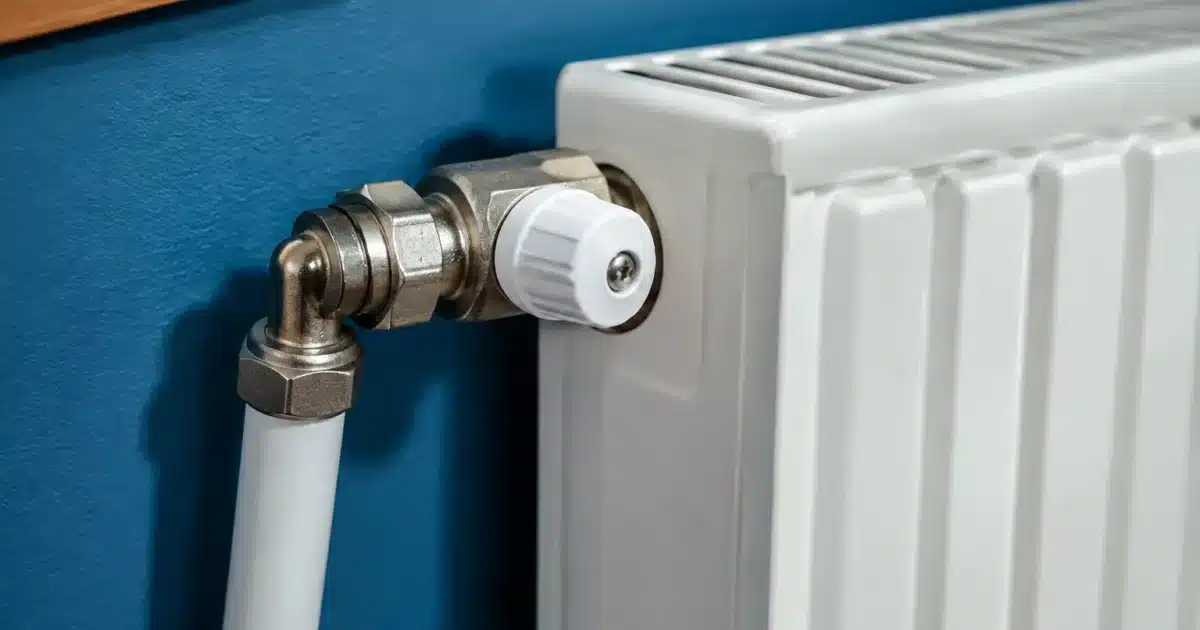
After several months without being used, thermostatic valves tend to seize up. The head gets stuck in a closed or partially open position, and the radiator never reaches temperature despite proper bleeding and pressure.
Freeing up the valve is usually done by hand, turning the dial back and forth several times in succession. If it stays stiff, a light tap with a screwdriver on the internal stem (after removing the thermostatic head) usually does the trick. While you’re at it, check the shut-off valves on the other side of the radiator—they should open and close without resistance.
Inspect boiler, ventilation and chimney sweeping
Never kill
another plant.
Take a photo: the app names the species, spots the problem and tells you exactly what to do.
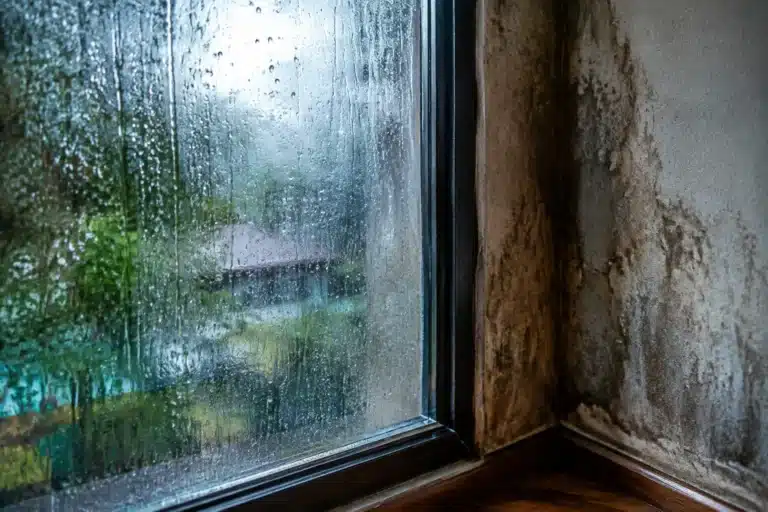
Before gradually restarting your installation, a quick visual inspection is in order: traces of rust or dampness on the floor near radiators, stains on walls, abnormal noises as soon as the system starts. These signs sometimes indicate radiator leaks that are better dealt with immediately rather than left to worsen.
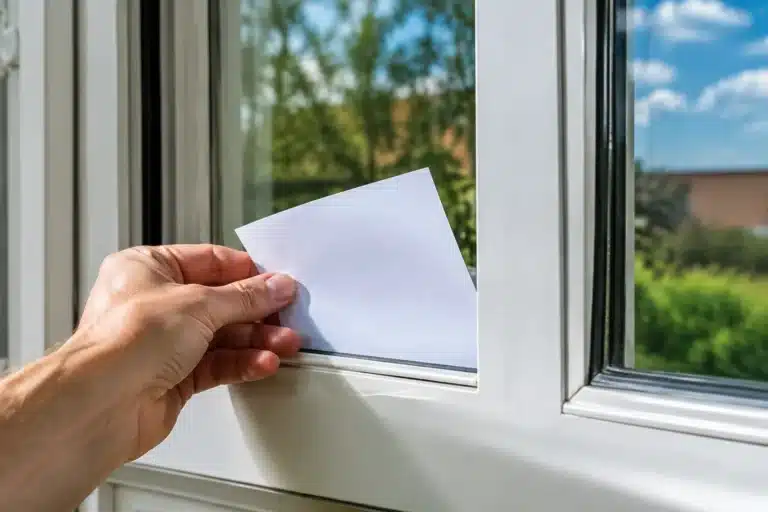
For systems running on wood, oil or gas with a flue, chimney sweeping is an annual legal requirement, to be done before restarting if not already completed; also remember to check your windows with this paper sheet test to detect cold air drafts. Also verify that your home’s ventilation grilles aren’t blocked: good ventilation limits risks associated with fuel combustion and ensures safe operation of the device.
Finally, restart your heating gradually rather than heading straight for your comfort temperature. Increase by a few degrees every hour—this gives the circuit time to stabilize and lets you spot any problems before they take hold. This annual maintenance, repeated at the same time each year, remains the simplest way to prevent breakdowns and preserve energy savings throughout the season.