The first leaves are falling, rain is settling in, and your home is already showing the first signs of autumn. Before the cold truly sets in, a few quick checks will help you avoid nasty surprises during winter. Here are seven points to review right now, from your roof down to your heating system.
Specifically, you’ll want to inspect your gutters, roof and its waterproofing, heating system and radiator bleeding, ventilation and signs of moisture, then your outdoor areas and the surroundings of your home. Each of these zones reacts poorly to fallen leaves piling up, moisture, or early frosts. A one or two-hour inspection tour is often enough to spot weak points before they turn into costly repairs.
Clean Your Gutters Before Leaves Start Accumulating
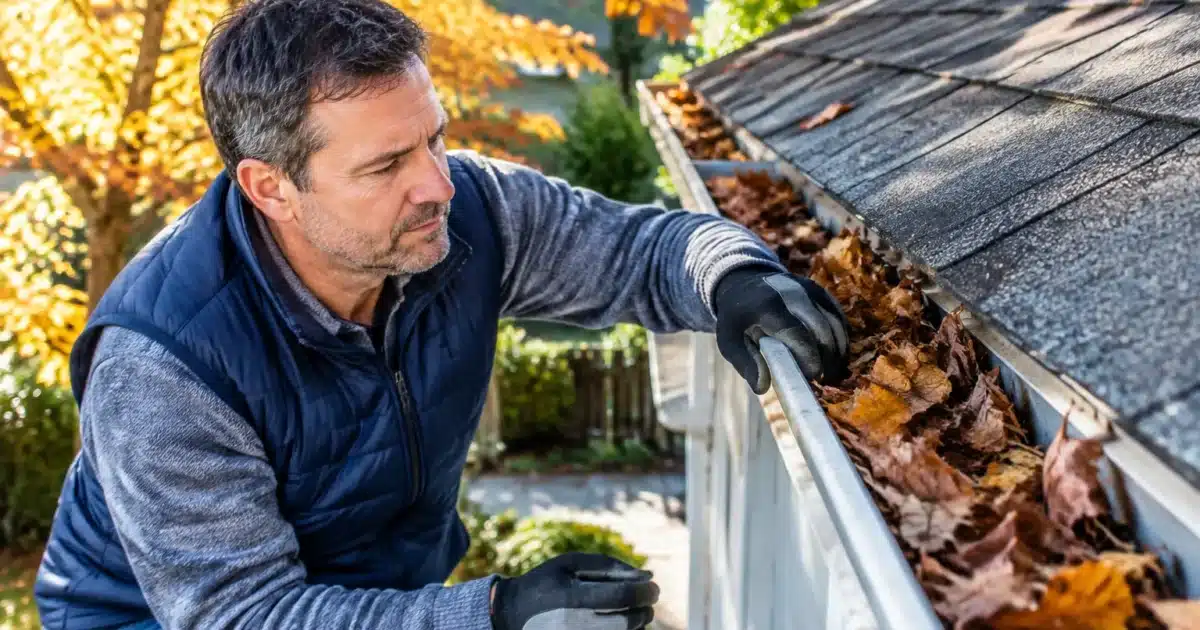
Gutters are often the first casualty of autumn, and there are several signs indicating that your gutters need cleaning before heavy rains return. Fallen leaves accumulate in your gutters and eventually create a blockage that prevents water from draining properly. The result: water overflows, runs down your walls, and can seep under the roof or into your foundations.
One easy sign to spot: dark streaks on your exterior wall, just below the gutter. If you see them, there’s likely a blockage somewhere. Cleaning is done with a sturdy ladder, gloves, and a small shovel or garden hose to rinse once debris is removed. A protective mesh placed over the gutters will limit accumulation in the seasons to come.
The costly mistake: waiting until you see visible blockage
Many people wait to see water overflowing before taking action. The problem is that by that point, water is often already seeping under the roofing. A preventive check in October, before fallen leaves accumulate in mass, avoids this kind of late and expensive discovery.
Inspect Your Roof and Waterproofing Points
From the ground or with binoculars, look at the general condition of your tiles or slates: a single displaced, cracked, or missing tile is enough to create an entry point for rain. The waterproofing around chimneys, skylights, and flashing also deserves a close look, as these are fragile areas where leaks most often begin.
Inside, go up into the attic if possible to check for any moisture stains on the timber frame or insulation. A musty smell or compact, damp insulation are warning signs you shouldn’t ignore. If you have any doubts, it’s better to have a roofer come out before winter rather than after a storm.
Never kill
another plant.
Take a photo: the app names the species, spots the problem and tells you exactly what to do.
Test and Prepare Your Heating for the First Cold Spell
There’s nothing worse than heating that sputters on the first cold day. Before firing it up for the season, a system check is essential: boilers, stoves, heat pumps, or electric radiators should all be tested for a few minutes to confirm they start normally and don’t produce any suspicious smells.
For gas or oil-fired installations, annual professional servicing is still recommended, both for safety and heating efficiency. This is also a good time to check that air vents aren’t blocked by dust that accumulated over the summer.
Tap to scan your plant
This feature requires the Plantalya app. Scan any plant instantly with your camera!
Bleed Your Radiators
A radiator that heats less at the bottom than at the top, or that makes noise, contains air. Bleeding involves opening the small valve at the top of the radiator slightly with an appropriate key until water flows without bubbles (see also the precautions to take before turning radiators back on after several months of shutdown). This simple procedure, done radiator by radiator, significantly improves heating efficiency and prevents wasting energy all winter long.
Check Your Ventilation and Watch for Moisture
Mechanical ventilation plays a central role in removing moisture produced in your home, especially when windows stay closed longer in the cold. Verify that air inlet vents aren’t blocked and that your ventilation motor operates without unusual noise.
Then check around your walls and ceilings, particularly in damp rooms like bathrooms and kitchens. Moisture marks, paint bubbles, or a persistent musty smell often indicate a ventilation problem or a leak that needs addressing before the cold worsens condensation, a phenomenon linked to mistakes that let moisture into your home from the first rains. Poorly managed winter moisture also promotes the growth of mold that’s difficult to eliminate.
Prepare Your Outdoor Areas and Home Surroundings
Never kill
another plant.
Take a photo: the app names the species, spots the problem and tells you exactly what to do.
Your home’s surroundings deserve as much attention as the interior. Store away or protect outdoor furniture that could be damaged by rain and frost, clear fallen leaves from pathways to prevent slipping, and verify that water drainage grates aren’t blocked.
For doors and windows, careful weatherstripping limits cold air entering and improves your home’s overall insulation. A worn seal or window letting in a draft can easily be detected by running your hand along the frame on a windy day. This small preventive maintenance step often makes a real difference in your heating bill throughout the winter.
| Area to Check | Warning Sign | Action |
|---|---|---|
| Gutters | Streaks on the facade | Cleaning and protective mesh |
| Roof | Displaced tile, stain in attic | Visual inspection, call a roofer if unsure |
| Radiators | Noise, uneven heat | Bleeding with appropriate key |
| Walls and Ceilings | Moisture marks, bubbles | Check ventilation, treat the source |
| Doors and Windows | Cold air felt at frame | Weatherstrip the joints |
Reviewing these seven points before autumn rains settle in permanently takes little time but protects your home throughout the winter. Regular preventive maintenance is always simpler and cheaper than an emergency repair in the middle of January.