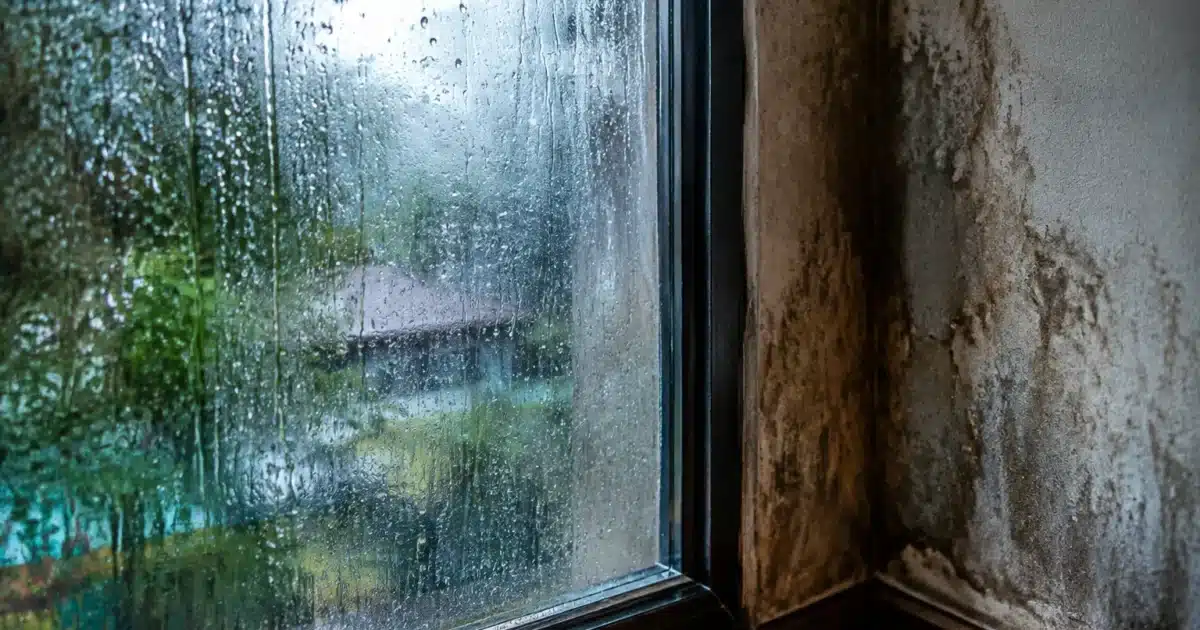
Fall’s first rains are arriving, and with them, those suspicious stains reappear on the walls. It’s no coincidence. Most often, the moisture settling into your home has nothing mysterious about it: it comes from everyday habits that aren’t quite right or small maintenance oversights left alone all summer.
Five mistakes show up almost systematically as soon as rainfall increases: clogged gutters, poor ventilation, ignored cracks, untreated thermal bridges, and confusion between temporary condensation and real, lasting water infiltration. Fixing these points before autumn sets in often prevents weeks of trouble and hefty repair bills.
Why does moisture increase with the first rains?
When rainfall picks up after a dry summer, building materials suddenly start absorbing water again. A porous facade, weakened by heat and cycles of expansion, lets moisture seep in much more easily than in spring. The soil itself, compacted and dried out, drains water less effectively as it runs toward the foundation.
Add to this a less visible phenomenon: dropping temperatures push us to close windows, which limits natural ventilation. Indoor humidity naturally climbs then, even without any leaks. This cocktail (weakened facade, saturated soil, stale air) explains why moisture problems explode every autumn.
Mistake #1: Neglecting gutter and water drainage maintenance
Gutters clogged with dead leaves overflow at the slightest downpour. Water then runs down the facade instead of being channeled to stormwater drainage, which eventually saturates load-bearing walls and feeds rising damp at the base of the facade. It’s one of the most common infiltration causes, and yet one of the easiest to prevent.
A visual inspection before autumn usually suffices: check that nothing blocks gutters, that downspouts don’t leak at joints, that ground drainage properly channels water away from foundations, and don’t repeat the mistake of leaving a rainwater tank full before winter. A single misaligned pipe that dumps water against the wall can cause considerable damage in just a few weeks of continuous rain.
Mistake #2: Poor ventilation or stopping ventilation when it rains
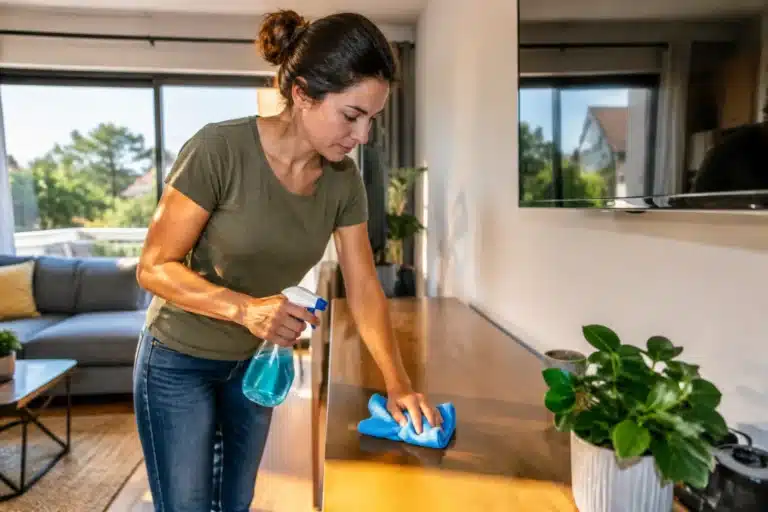
Many households cut ventilation as soon as temperatures drop, afraid of letting in the cold. Yet the opposite is what you should do: indoor air loaded with water vapor (from cooking, showers, breathing) must be evacuated, otherwise it condenses on cold surfaces and forms mold in corners and behind furniture.
Airing out for 10 minutes a day, even in the rain, still works as long as windows stay closed the rest of the time. Mechanical ventilation, when available, should stay on permanently: turning off the ventilation system to save electricity is a false economy that directly worsens indoor humidity.
Never kill
another plant.
Take a photo: the app names the species, spots the problem and tells you exactly what to do.
The telltale marker: 60% humidity
Beyond 60% indoor humidity, mold finds ideal conditions to thrive. An inexpensive hygrometer lets you monitor this threshold room by room, and a dehumidifier or hygrostat linked to ventilation can automatically regulate the most exposed areas.
Mistake #3: Ignoring facade cracks and waterproofing defects
A fine crack, almost invisible in summer, becomes a water entry point as rainfall intensifies. Water seeps in, sometimes freezes at night, and widens the crack from inside. This cycle accelerates facade waterproofing degradation much faster than you’d think.
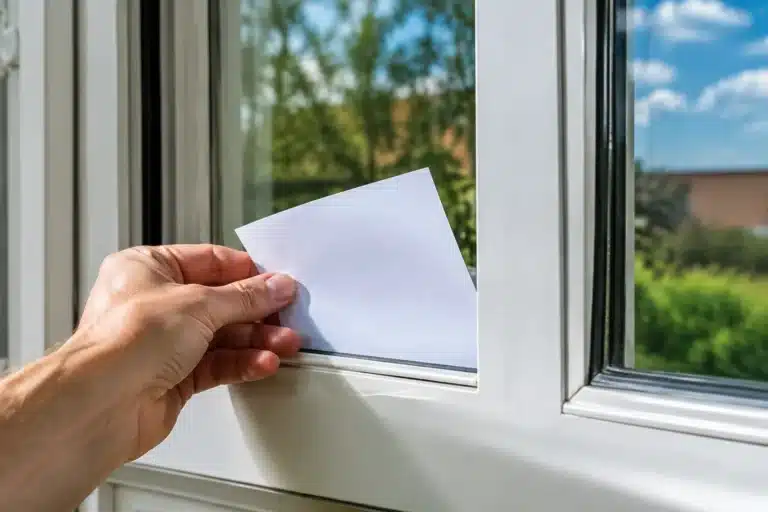
Priority areas to check are junctions between different materials (wood and masonry, extension and old building), around window frames, and the bottom of walls exposed to water spray. A simple inspection after heavy rain, spotting fresh moisture marks on interior walls, often lets you locate the weak point before it worsens.
Tap to scan your plant
This feature requires the Plantalya app. Scan any plant instantly with your camera!
Mistake #4: Leaving thermal bridges and failing insulation untreated
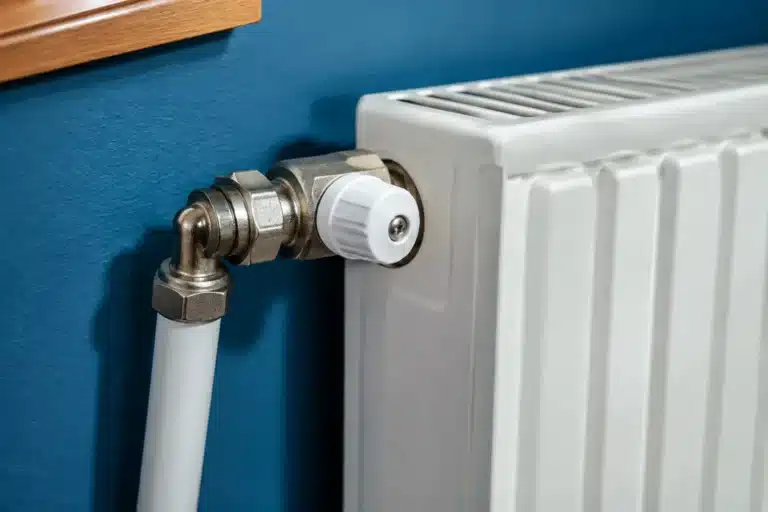
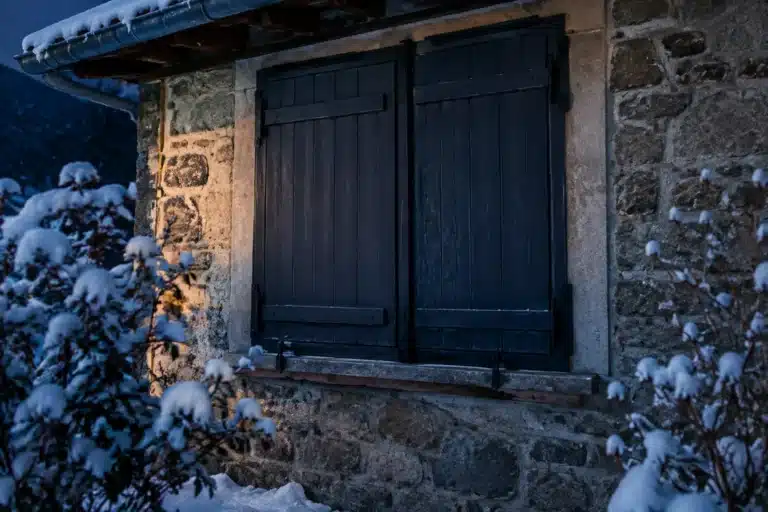
A thermal bridge is an area where thermal insulation is interrupted or insufficient, often around a lintel, slab junction, or roller shutter housing. This colder zone becomes the preferred condensation point as soon as humid household air contacts it.
Result: humidity stains appear in the same spot year after year, winter after winter, without any external water infiltration involved. Reinforcing insulation at these specific points, rather than redoing an entire room, often solves the problem permanently and inexpensively.
Mistake #5: Confusing temporary humidity with lasting infiltration
Not all stains are equal. An outline appearing after a storm that dries in two or three days usually signals condensation or minor water entry, linked for example to poorly ventilated roofing. Conversely, a stain that spreads, stays damp to the touch, or comes with a persistent musty smell indicates structural infiltration that needs treating at the source.
Never kill
another plant.
Take a photo: the app names the species, spots the problem and tells you exactly what to do.
| Sign observed | Temporary humidity | Lasting infiltration |
|---|---|---|
| Evolution after drying | Disappears within days | Returns or grows larger |
| Location | Room corners, windows | Wall base, ceilings, facade |
| Smell | Absent or slight | Persistent musty odor |
Treating lasting infiltration as a simple condensation problem amounts to repainting a wall without ever addressing the cause. Accurate diagnosis, often visual before calling a professional, prevents unnecessary work.
The right habits to limit moisture when rains return
Before rains settle in for good, a quick property walkthrough is enough to ward off most risks. Clean gutters, check for visible cracks, maintain daily ventilation even in humid weather, and monitor areas prone to thermal bridges make up the bulk of prevention.
These steps require neither significant budget nor special skills, only consistency. A home that breathes properly and whose outer envelope stays waterproof sails through autumn without the nasty surprises so many homeowners dread each year.