

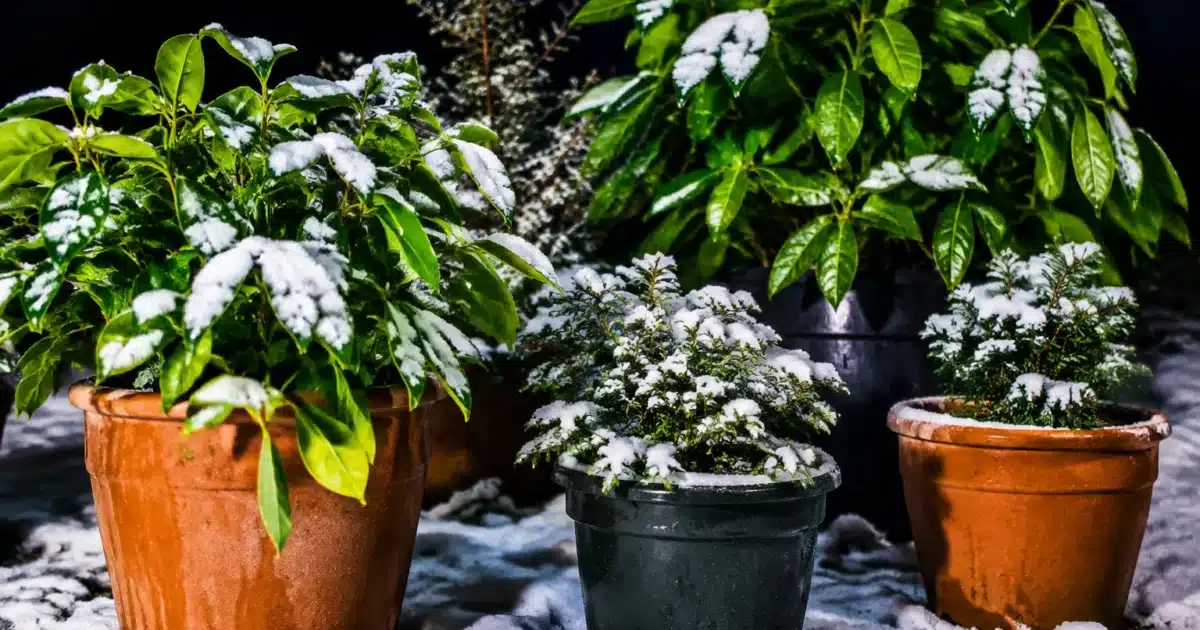
The temperature drops suddenly, and panic sets in. You rush to bring everything inside—pots, planters, containers, the whole lot—as if frost were lurking right around the corner. But here’s the truth: a simple chilly night won’t spell disaster for most garden plants. Some actually handle these cool nights remarkably well, and bringing them in too early does them more harm than good.
The rule to remember: only tropical plants and truly cold-sensitive species need to come inside as soon as temperatures drop below 10°C. Mediterranean plants, hardy perennials, and many succulents tolerate nights around 5°C, sometimes even lower, without any problem. Rushing everything indoors all at once denies these plants the gradual acclimatization that makes them stronger for winter.
Why you shouldn’t panic at the first cold snap
A cool night doesn’t mean frost is coming. Many gardeners confuse the two and bring everything in as soon as the forecast shows 8 or 9°C, when most outdoor plants handle that temperature just fine. This hasty reflex often causes more damage than it prevents: the temperature shock between cool outdoor air and a warm indoor space disrupts the plant, triggers leaf drop, and weakens its natural defenses.
Symptom Checker
Check the symptoms you observe on your plant:
Plants need to feel the temperature drop in order to gradually enter dormancy. This gentle transition allows them to slow their growth, prepare for winter, and better resist the harsh conditions ahead. By bringing them inside too quickly to a heated room, you force the opposite to happen: they keep growing in poor light conditions, become exhausted, and grow more vulnerable to pests.
Which plants handle cool nights far better than you’d expect
Not all plants react the same way to cold. There’s a real distinction between species that shrug off cool nights without flinching and those that suffer as soon as the temperature dips slightly.
The hardy ones you can leave out longer
Mediterranean plants like oleander, olive, rosemary, and lavender handle nights around 5°C very well, sometimes lower for the hardiest varieties. Robust succulents (agaves, sedums, certain echeverias) also tolerate this kind of coolness without showing any signs of stress. Hydrangeas, outdoor ferns, and many container perennials are also top performers: they actually prefer a longer exposure to cool conditions before being brought inside, as it strengthens their future blooming.
Never kill
another plant.
Take a photo: the app names the species, spots the problem and tells you exactly what to do.
These plants benefit from staying outside as long as possible. The goal isn’t to expose them to frost, but to use this intermediate period to let them harden off naturally.
The tender ones to bring in without delay
Tropical plants like hibiscus, alocasias, tender-leafed plants, and orchids can’t handle any noticeable temperature drop. Once nights approach 10 to 12°C, they need to come inside. Geraniums and fuchsias, which are very popular in planters, also fall into this category: they fear cool nights and quickly lose their flowers if you wait too long.
| Category | Examples | Cold Behavior |
|---|---|---|
| Hardy | Oleander, olive, lavender, sedums | Tolerate 5°C, sometimes lower |
| Intermediate | Hydrangeas, container perennials | Benefit from cool period |
| Tender | Geraniums, fuchsias, hibiscus | Fear 10-12°C or below |
| Tropical | Alocasias, orchids | Bring in without delay |
The right time to bring them in: temperature thresholds and weather monitoring
Rather than going by gut feeling, follow weather forecasts over several days instead of reacting to a single cool night. The real alert threshold is around 5°C for hardy and Mediterranean plants, and around 10°C for tropical and typically tender species. When temperatures stay below these benchmarks repeatedly, it’s time to act.
An isolated cold snap followed by a warm spell doesn’t justify immediate indoor relocation. The trend over five to seven days matters, not a single chilly night in late September or early October.
Tap to scan your plant
This feature requires the Plantalya app. Scan any plant instantly with your camera!
Scan Your Plant — Download Free AppEssential steps for bringing plants inside without stressing them
Inspection and cleaning before moving indoors
Before bringing a plant inside, a thorough check is essential. A careful inspection under leaves and on stems for pests prevents bringing aphids, scale insects, or spider mites into your home. A gentle cleaning of the foliage with clear water, and if needed, diluted insecticidal soap, also prevents unwanted surprises once the plant settles in the warmth.
Gradual acclimatization to prevent temperature shock
Bringing a plant directly into a heated room after weeks outdoors often causes temperature shock that results in rapid leaf drop. Better to transition it for a few days in an intermediate space—a sunroom, bright garage, or cool room—before placing it in its final spot. This gradual acclimatization reduces stress and helps the plant adapt without losing all its foliage.
Placing a freshly brought-in plant right next to a radiator to compensate for outdoor cold is a false solution. Dry, hot air desiccates foliage much faster than a cool outdoor night ever could, and actually speeds up leaf drop instead of preventing it.
Adjust care after moving indoors: watering, light, and monitoring
Once inside, care needs shift dramatically. Growth slows with reduced light, which means you need to water less: excess water becomes one of the main causes of root rot in winter. Gentle watering, only when the soil is dry several centimeters down, is plenty for most species at this time. To know exactly when to reduce watering, there are signs in potted plants that indicate you need to cut back on water.
Never kill
another plant.
Take a photo: the app names the species, spots the problem and tells you exactly what to do.
Light is the tricky part. Many plants drop a few leaves in the first weeks simply because indoor light intensity is nothing compared to garden light. This doesn’t always signal disease—it’s usually normal adaptation that needs monitoring without alarm as long as leaf drop remains moderate and gradual.
Protecting plants that stay outside: mulching and frost cloth
For plants staying out all winter, a few simple protections often suffice to get through without damage. Thick mulch around the base prevents root frost, particularly useful for Mediterranean shrubs in open ground or large containers. A frost cloth spread over plants on the coldest nights offers protection without stopping the plant from breathing, unlike a hermetic plastic sheet.
These light protections allow many hardy plants to continue hardening off outdoors while avoiding damage from an occasional harsh freeze. It’s often the best option for plants too large to move inside, or those that actually prefer the cool to a confined winter storage.


